What Is the Best Vinyl Plank Flooring?
2025-12-23, Laura Nieto
Share:
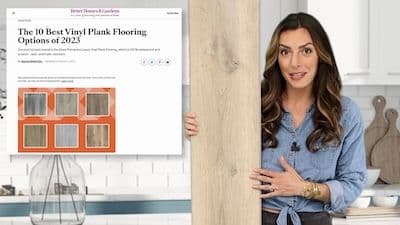
Vinyl plank flooring has become one of the most popular choices for homeowners. It's durable, waterproof, cost-effective, and looks great. But with so many options available, how do you find the best vinyl plank flooring for your space? Let's break it down.
Understanding Luxury Vinyl Plank (LVP)
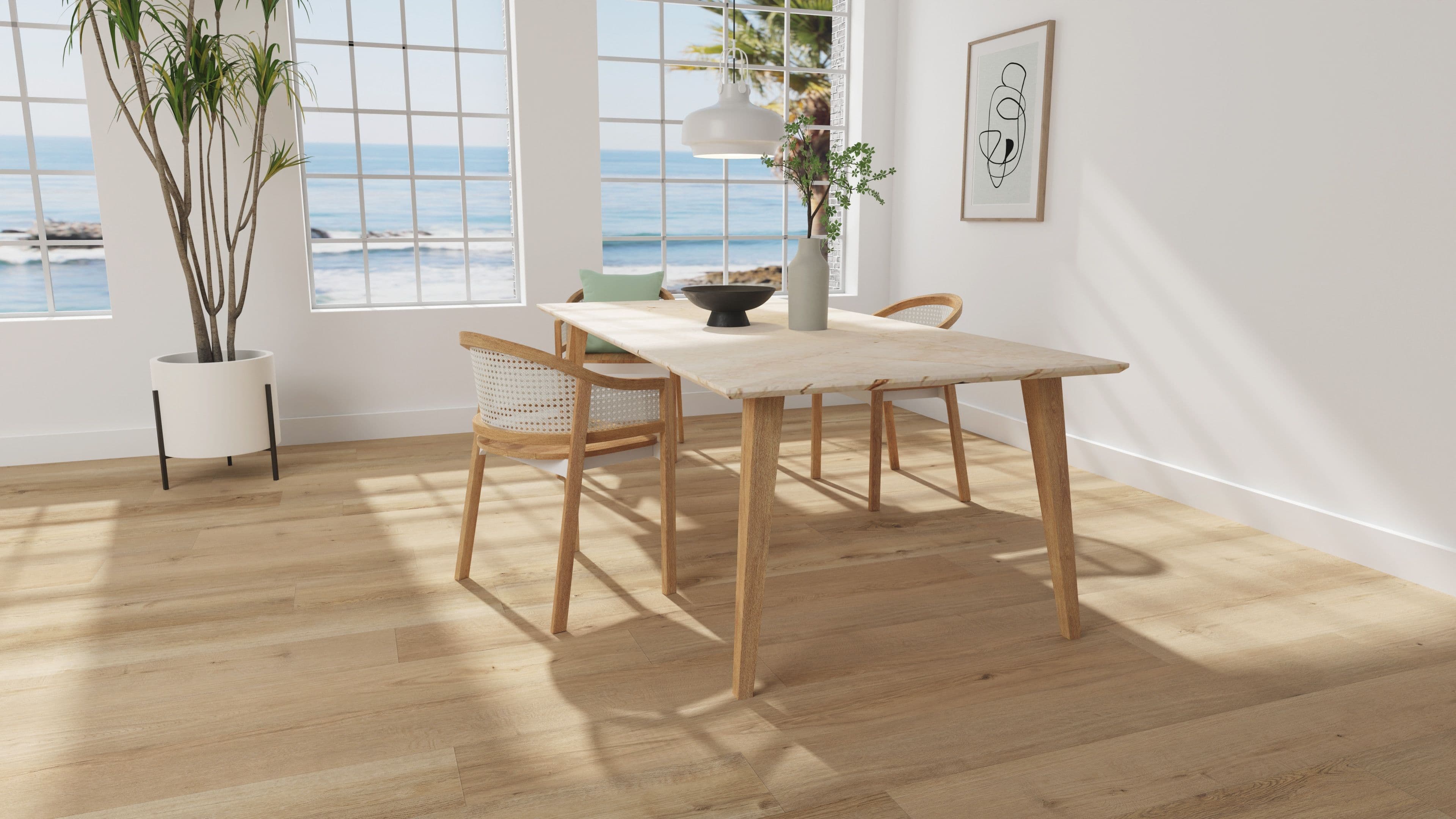
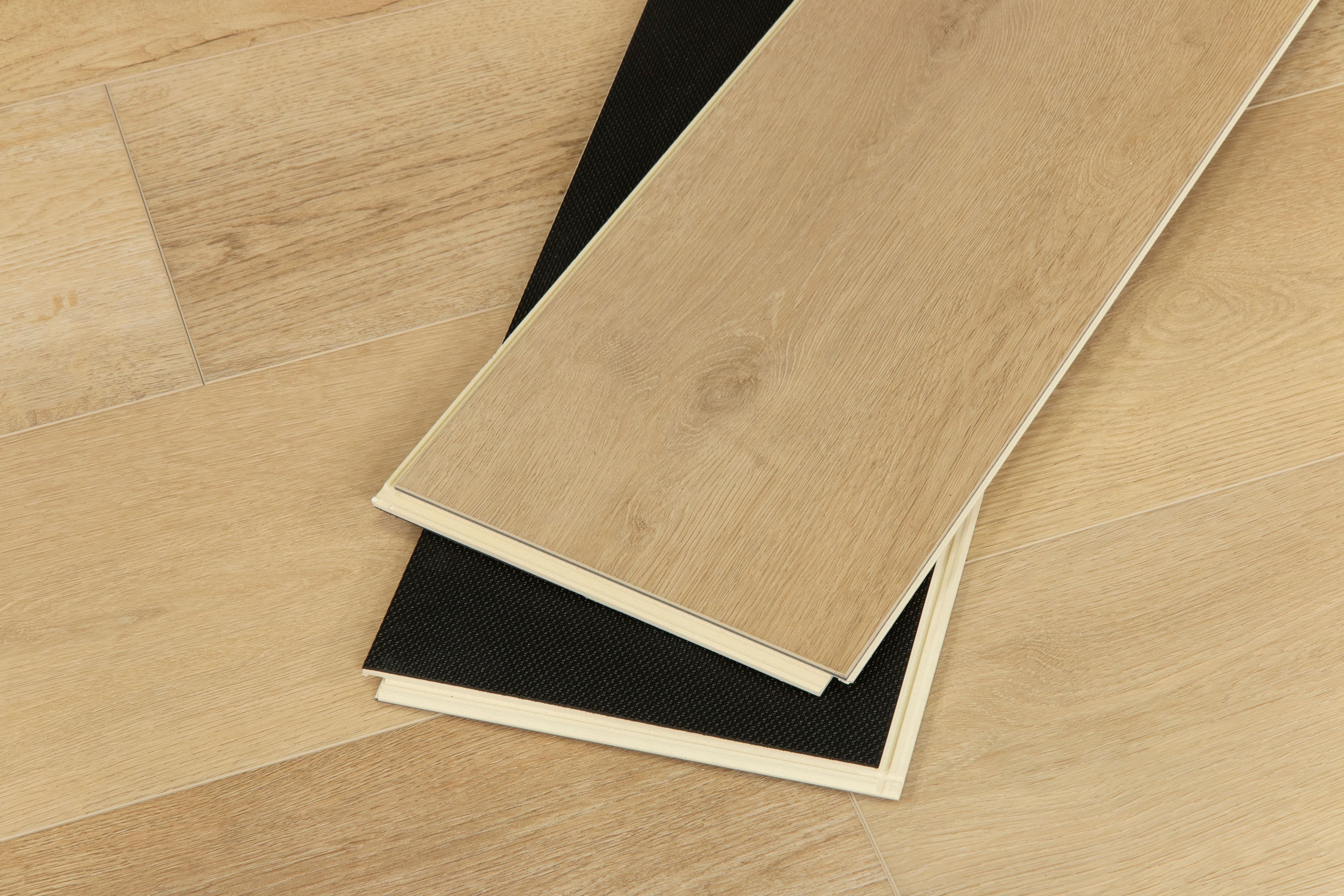
Luxury Vinyl Plank (LVP) is premium vinyl flooring that delivers realistic wood looks, serious durability, and a comfortable feel underfoot. All CALI Vinyl flooring collections are LVP. Within this category, there are different types based on the core construction—mainly rigid core SPC (Stone Polymer Composite) and WPC (Wood Polymer Composite).
Rigid Core
A rigid core luxury vinyl plank typically contains a fortifying layer of limestone composite, which boosts the floor’s strength. The advancements in CALI Vinyl rigid core flooring hold direct, real-world benefits for customers. Superior indentation resistance helps planks withstand pet claws, falling objects, and heavy furniture. The rigid core makes planks extra stable and resistant to changes in home temperature and humidity. This makes the flooring suitable for every room in every season and climate. It means SPC planks can be installed right out of the box without any acclimation wait time. The specialized rigid core also strengthens the click-lock milling system and makes it more precise for faster, easier installations.
This advanced construction offers real benefits:
- Superior indentation resistance handles pet claws, dropped objects, and heavy furniture
- Extra stability resists changes in temperature and humidity
- Suitable for every room in every season and climate
- No acclimation needed for SPC vinyl—install right out of the box
- Stronger click-lock system for faster, easier installation
Wood Polymer Composite
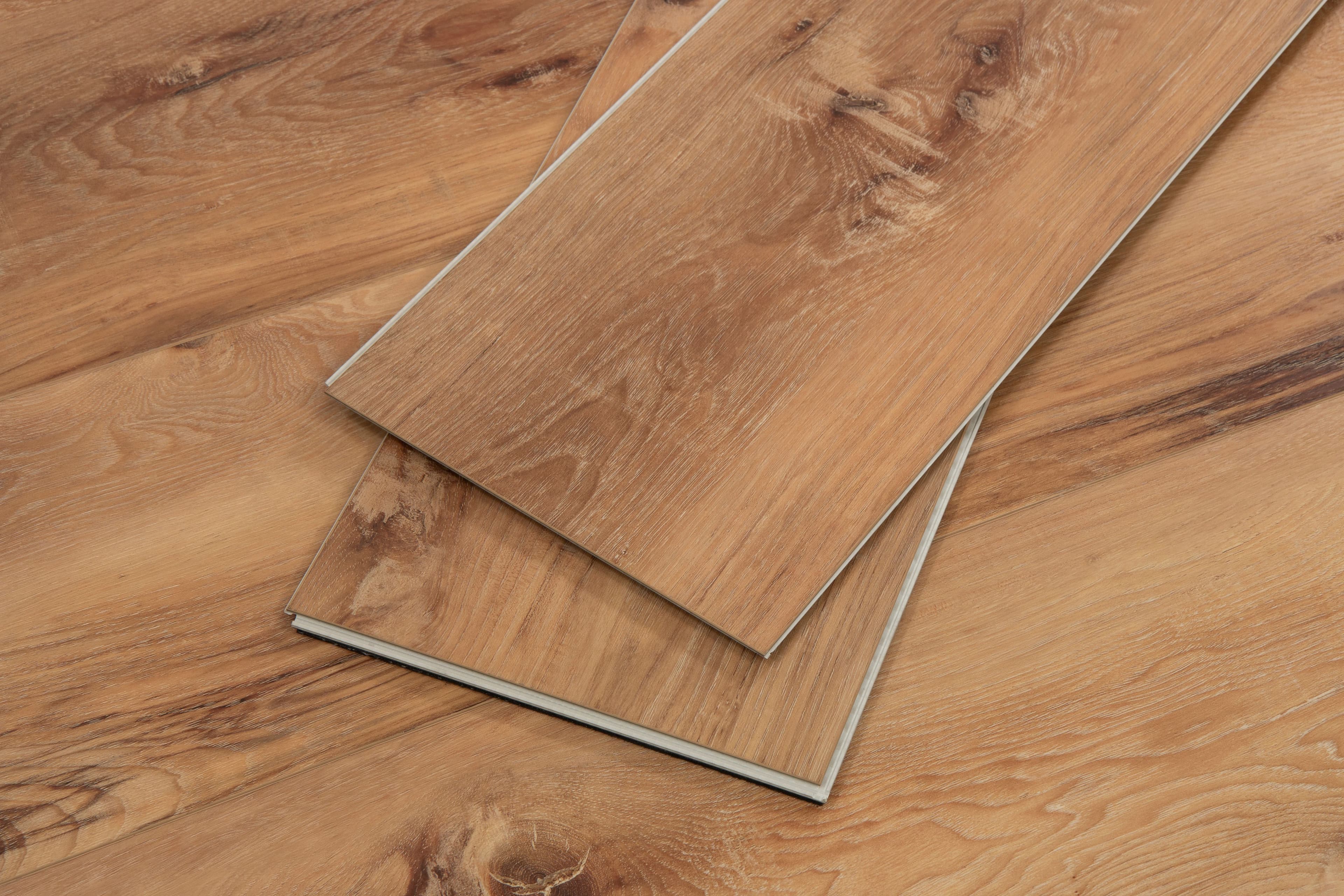
WPC luxury vinyl plank is also highly durable and waterproof. The key difference is the thicker, foam-like core that offers unique benefits:
- Softer feel underfoot compared to rigid core
- Reduced noise transmission for quieter steps
- Blend of comfort and resilience that's hard to beat
WPC is typically a high-end product at a more premium price point.
Flooring Tip: The CALI Vinyl Legends collection offers a premium WPC plank.
LVP vs. LVT: What's the Difference?
Luxury Vinyl Plank (LVP) features long, narrow planks designed to look like hardwood. Luxury Vinyl Tile (LVT) comes in square or rectangular tiles that typically mimic stone or ceramic. Both offer similar durability and waterproof protection—the main difference is appearance. LVP creates the look of wood flooring, while LVT usually delivers a stone or tile aesthetic.
How to Find the Best Vinyl Plank Flooring
Many brands offer LVP, but quality varies widely. Look for these features to ensure you're getting flooring that will last: Learn more about different types of LVP here.
Wear Layer: One of the most important features is wear layer thickness. Look for at least 20 mil (0.5mm) thick. This protects your floor against scratches, dings, and daily wear. For high-traffic areas or commercial warranty coverage, consider 28 mil or higher.
Click-Lock Installation: A quality locking system ensures stability. Look for a rapid click-lock mechanism. It makes installation hassle-free and keeps planks secure without gaps or shifts.
EIR Texture: Embossed in Register (EIR) texture adds realism. This feature creates texturing that matches the wood grain visuals you see—if there's a knot in the design, you'll feel that knot too. It brings depth and authentic hardwood character to your planks.
Attached Padding: Look for vinyl plank with attached IXPE padding. It provides acoustic insulation, reduces noise, and enhances comfort underfoot with every step.
FloorScore Certification: A FloorScore certification means the floor meets strict standards for indoor air quality. It ensures your flooring is safe for your home and free from harmful emissions.
Overall Plank Thickness: Total plank thickness typically ranges from 4mm to 8mm. Thicker planks (5.5mm+) offer better stability, sound absorption, and a more premium feel. Thinner options (4-5mm) work well over existing floors where height is a concern.
Waterproof Vinyl Features
Vinyl plank flooring's waterproof technology provides peace of mind in moisture-prone areas like kitchens, bathrooms, and basements. Advanced construction—including tightly engineered joints and water-resistant cores—prevents liquid from seeping through seams or damaging subfloors.
Waterproof vinyl also resists mold and mildew growth, supporting healthier indoor air quality. This makes it ideal for busy households, pet owners, or anyone who wants resilient flooring that's easy to clean and care for.
Vinyl Plank Installation Options
Click-Lock Floating Installation
Most residential LVP uses click-lock systems that "float" over the subfloor. This method is DIY-friendly, fast, and doesn't require adhesive. It works well for most homes and allows for easy plank replacement if needed.
Glue-Down Installation
Glue-down vinyl plank is adhered directly to the subfloor with adhesive. This method is common in commercial settings or large-scale projects where permanent installation is preferred. Glue-down offers maximum stability and is ideal for high-traffic commercial applications.
Pros and Cons of Luxury Vinyl Plank Flooring
Pros
- 100% Waterproof: Safe for kitchens, bathrooms, basements
- Durable: Resists scratches, dents, and heavy traffic
- Realistic Appearance: Looks and feels like real hardwood
- Easy Installation: Click-lock systems are DIY-friendly
- Low Maintenance: Simple sweeping and mopping keep it clean
- Comfortable: Attached padding reduces noise and adds cushion
- Affordable: Lower cost per square foot than hardwood
Cons
- Not Real Wood: Can't be refinished like hardwood
- Susceptible to Sharp Objects: Heavy impacts from sharp items can cause damage
- Sun Sensitivity: Prolonged direct sunlight may cause fading over time
- Temperature Sensitivity: Can expand or contract in extreme temperature changes (though quality LVP minimizes this)
LVP vs. Laminate: Which is Better?
Both LVP and laminate offer attractive, affordable alternatives to hardwood, but they have key differences:
Waterproof Protection: LVP is 100% waterproof. Laminate has a wood-based core that can be damaged by prolonged moisture exposure. However, if you opt for a high-quality CALI luxury laminate, planks will be waterproof.
Durability: Both resist scratches well, but LVP handles impacts and dents better than laminate. That being said, CALI luxury laminate is protected by AC4-rated scratch resistance, which is just as resilient if not tougher than a typical vinyl wear layer.
Comfort: LVP with attached padding feels softer and quieter underfoot than most laminate. But again, if you opt for a CALI luxury laminate, planks are thicker and come with an attached XPS pad which adds significant comfort underfoot.
Realism: Both can look authentic because, depending on the brand and collection, both luxury vinyl plank and luxury laminate can feature EIR texturing to make the wood visuals look and feel even more realistic.
Installation: Both offer click-lock systems. LVP is more forgiving with uneven subfloors.
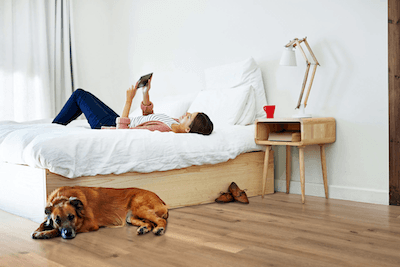
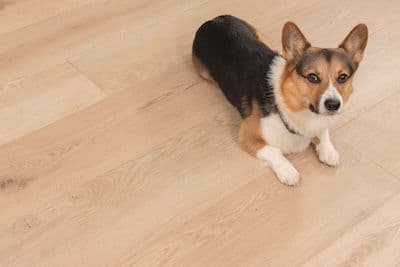
Best for Pets: LVP is typically better for dogs. It's waterproof (accidents won't cause damage), scratch-resistant, and easier to clean. However, if you choose a high-quality CALI laminate floor with a premium finish, pet claws and playtime are no problem, and clean-ups are easy.
Bottom Line: It really depends on the brand of flooring you’re considering. You can pick your favorite CALI vinyl or laminate and rest assured you’ll enjoy the same waterproof construction, scratch resistance, and easy upkeep with either one. If you’re considering more generic options, choose LVP for moisture-prone areas, homes with pets, or anywhere waterproof protection matters.
LVP vs. Hardwood: Which Should You Choose?
Durability: LVP outperforms hardwood in scratch resistance and waterproof protection. Hardwood can be refinished multiple times; LVP cannot.
Moisture Resistance: LVP handles moisture without issue. Hardwood may eventually warp when exposed to water.
Maintenance: LVP is hassle-free—sweep and mop as needed. Hardwood requires special cleaners and occasional refinishing. However, all CALI hardwood collections come with a warranty that also covers the finish and should therefore never require refinishing.
Cost: LVP typically costs less per square foot than solid hardwood, both for materials and installation.
Appearance: Hardwood offers authentic, natural beauty may change over time with wear. LVP mimics this look convincingly but remains consistent.
Resale Value: Hardwood may add more resale value in some markets, though high-quality LVP is increasingly accepted.
Bottom Line: Choose hardwood for timeless, natural beauty and long-term investment. Choose LVP for superior durability, waterproof protection, and lower maintenance in active households.
How Long Does Luxury Vinyl Plank Flooring Last?
Quality luxury vinyl plank flooring typically lasts 15-25 years with proper care. Lifespan depends on:
- Wear layer thickness: Thicker wear layers last longer
- Traffic level: High-traffic areas show wear faster
- Maintenance: Regular cleaning extends life
- Installation quality: Proper installation prevents premature failure
Many manufacturers offer residential warranties ranging from 10 years to lifetime, and commercial warranties from 5-15 years, depending on wear layer thickness and intended use.
Most CALI LVP is backed by a 50-year residential warranty and a 15-year commercial warranty. You can see all CALI flooring warranties here.
How Much Does Vinyl Plank Flooring Cost?
Cost varies based on quality, thickness, and features:
Materials: Expect to pay $2-$7 per square foot for quality LVP. High-end options with thicker wear layers and premium features can run higher.
Installation: Professional installation typically adds $1-$3 per square foot. For a 1000 square foot space, total installation costs might range from $1,000-$3,000, though this varies by region and project complexity.
DIY Installation: Many homeowners successfully install click-lock LVP themselves, saving on labor costs.
How to Tell the Quality of Vinyl Plank Flooring
Look for these indicators:
- Wear layer 20 mil or thicker
- SPC rigid core or WPC construction
- EIR texture for hardwood realism
- Attached IXPE padding
- FloorScore certification
- Strong warranty coverage (residential and commercial)
- Realistic wood grain patterns
- Quality click-lock system
What Style of Vinyl Flooring is Best?
The best style depends on your space and preferences:
Light Oak Tones: Brighten spaces, work with any décor, hide dust and minor wear
Medium Browns: Warm and inviting, popular for living areas and bedrooms
Gray Tones: Modern and versatile, trending in contemporary design
Dark Espresso: Dramatic and sophisticated, requires more frequent cleaning to hide dust
Rustic/Distressed Looks: Add character with knots, grain variation, and weathered appearance
Smooth Modern Styles: Clean, minimal grain for contemporary spaces
Choose styles that complement your home's aesthetic and match your lifestyle needs.
Our Recommendation for the Best Vinyl Plank Flooring
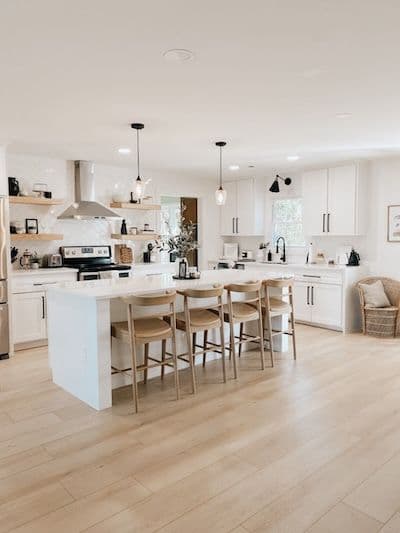
Vinyl plank flooring offers a winning combination of durability, beauty, and value. When choosing the best vinyl plank flooring, consider durability features, realistic appearance, and ease of installation.
CALI Vinyl collections deliver high-quality LVP with the features that matter most: thick wear layers for lasting protection, rigid core or WPC construction for stability, EIR texturing for authentic wood realism, attached padding for comfort, and FloorScore certification for safety.
Whether you're updating a kitchen, finishing a basement, or transforming your entire home, quality luxury vinyl plank flooring provides worry-free performance and beautiful style that handles how you actually live.