
Tips for Using Waterproof Flooring in Basement Mudrooms
2026-07-23, Laura Nieto
Share:
Why Waterproof Flooring Is Essential for Basement Mudrooms
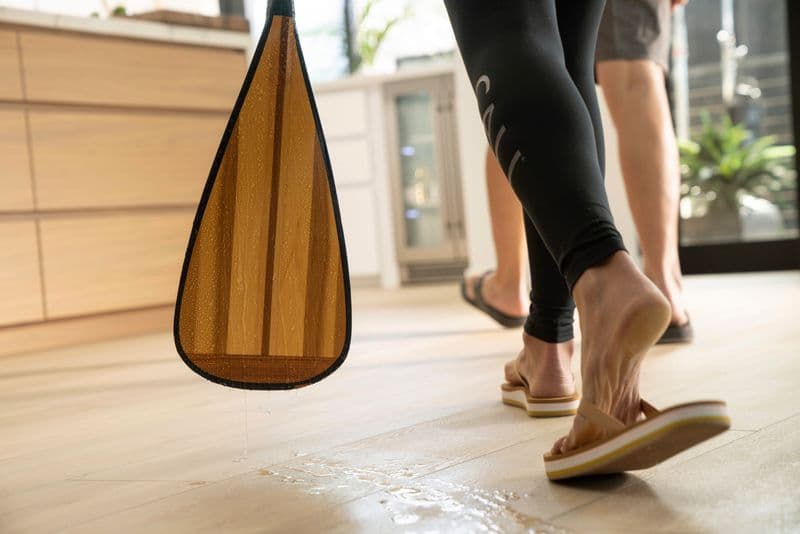
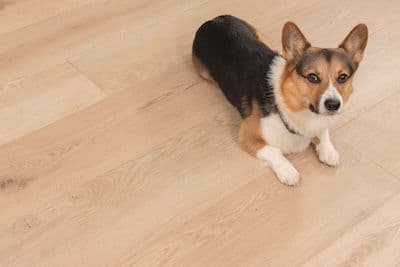
Basement mudrooms are among the hardest-working spaces in any home. Rainy days, muddy shoes, pets tracking in dirt from the yard, and dripping wet jackets all pass through this one small area. Especially in spring and winter, this high-traffic entryway can get dirty fast, making the right flooring choice critical.
That’s where waterproof basement flooring comes in. When the floor can withstand water, mud, and everyday wear without warping or staining, the room stays functional and clean. A quick sweep or damp mop usually does the trick. Choosing the best waterproof flooring for your basement mudroom helps this hardworking space hold up day after day, season after season.
How to Choose Waterproof Flooring for Mud-Prone Basement Areas
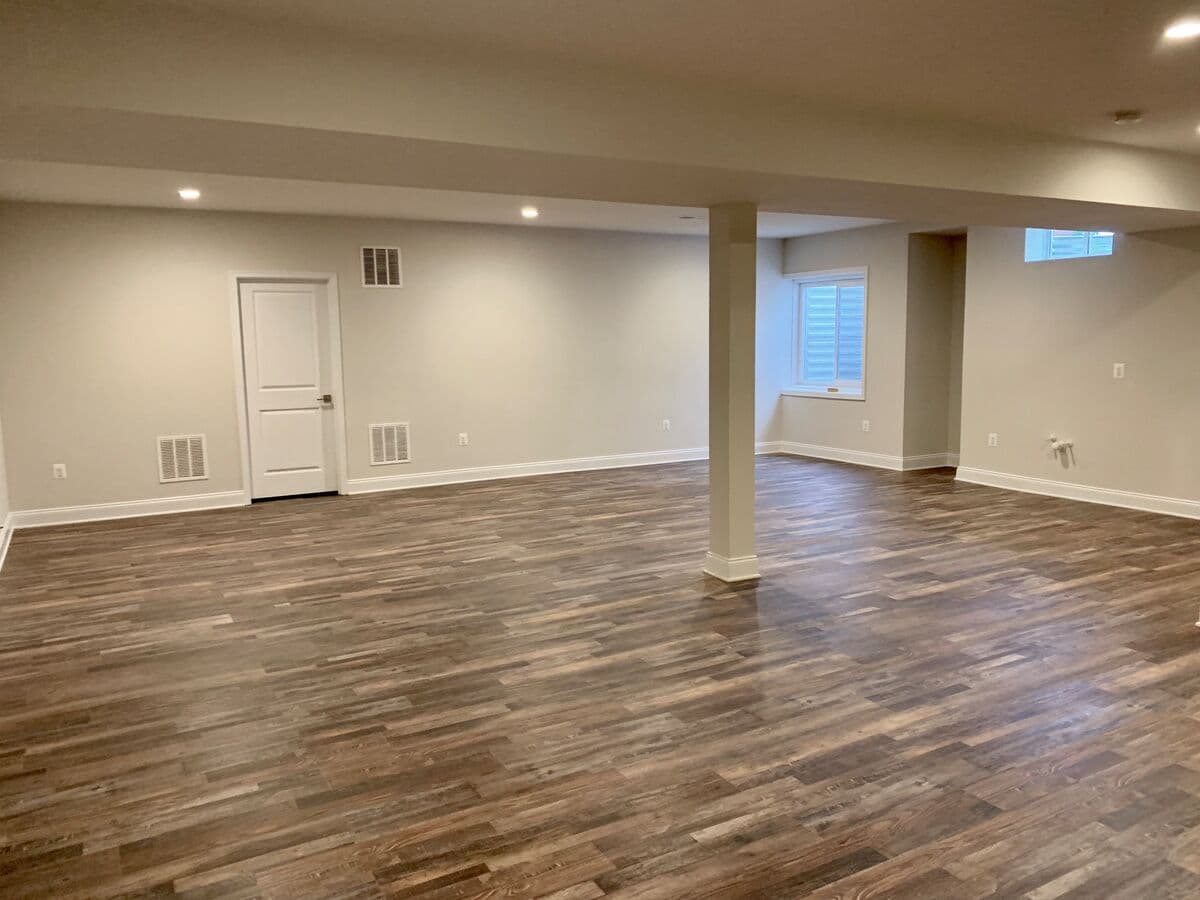
Basement mudrooms have a lot going on. Unlike the main floor upstairs, these lower-level rooms are more exposed to outside elements and experience greater temperature swings. If water gets tracked in or left standing too long, some floors can swell or stain. Even a small leak or flood from a sudden storm can turn into a bigger problem fast.
Old-style flooring, like basic carpet or thin laminate, often doesn't hold up well in these spots. A material that looks fine at first might start to buckle or discolor when wet. That’s why fully waterproof materials are a better fit for this kind of area.
Look for floors with a resilient top surface built to keep water out and stop it from seeping through seams or cracks. Here are a few ways this prevents long-term damage:
- Moisture stays on top and can easily be dried
- Floors don’t shift as they expand and contract with humidity
- You avoid musty smells or hidden mold over time
Choosing smart here means fewer repairs later and a cleaner, drier space that holds up year-round.
Best Waterproof Flooring Options for Basement Mudrooms: Luxury Vinyl, Laminate & More
Picking the right material doesn't have to be tricky. Flooring made for wet areas comes in a few reliable options, and some perform better than others in basement-level spaces.
Luxury vinyl plank (LVP) flooring is a top choice for basement mudrooms. A quality LVP product handles heavy foot traffic, and is 100% waterproof from every angle. Another popular option is waterproof laminate flooring that mimics the look of stone or hardwood. It delivers a stylish, natural appearance while blocking moisture far more effectively than traditional laminate.
Tile is another option worth considering. Porcelain and ceramic tile is naturally waterproof and holds up well against moisture, mud, and heavy foot traffic. The tradeoff is a harder, colder surface underfoot, a longer install process, and grout lines that need occasional resealing to stay stain-free. LVP typically installs faster, feels warmer underfoot, and skips the grout maintenance altogether, which is why it's often the more practical pick for a busy mudroom.
It's also worth knowing the difference between "waterproof" and "water-resistant," since the terms get used loosely. Water-resistant flooring repels surface moisture for a limited time, but water can still work its way into the core or seams if it sits too long. Waterproof flooring is built so liquid has a harder time penetrating the core and seams. For a mud-prone basement entryway, waterproof is the safer standard to look for.
Waterproof Flooring Installation Tips for Basements
Even the best flooring won’t hold up if it isn’t installed correctly. Basement settings can be tricky, as moisture can seep through the concrete slab and cause problems beneath the surface. That’s why installation methods make all the difference.
Floating floors that click into place can work well, but they still need a moisture barrier or underlayment to level the space and prevent water from seeping through gaps. Skipping this step usually leads to bubbling or lifting of the corners over time.
Basement layouts can also be uneven, especially in older homes. Installing over a bumpy or cracked subfloor without dealing with those imperfections first can make the finished floor feel uneven or look unfinished.
That’s why this kind of project is better when handled by a professional. Getting the angles right around tight door frames or sealing around a floor drain might sound basic, but doing it poorly shows fast. And fixing those issues later usually takes more time and money than getting it right up front.
How to Maintain Waterproof Basement Mudroom Flooring Year-Round
Mudrooms live up to their name in spring, but they take a beating in every season. In cooler months, melted snow and road salt can wear down finishes. In warmer seasons, wet towels or muddy kids' shoes leave marks behind.
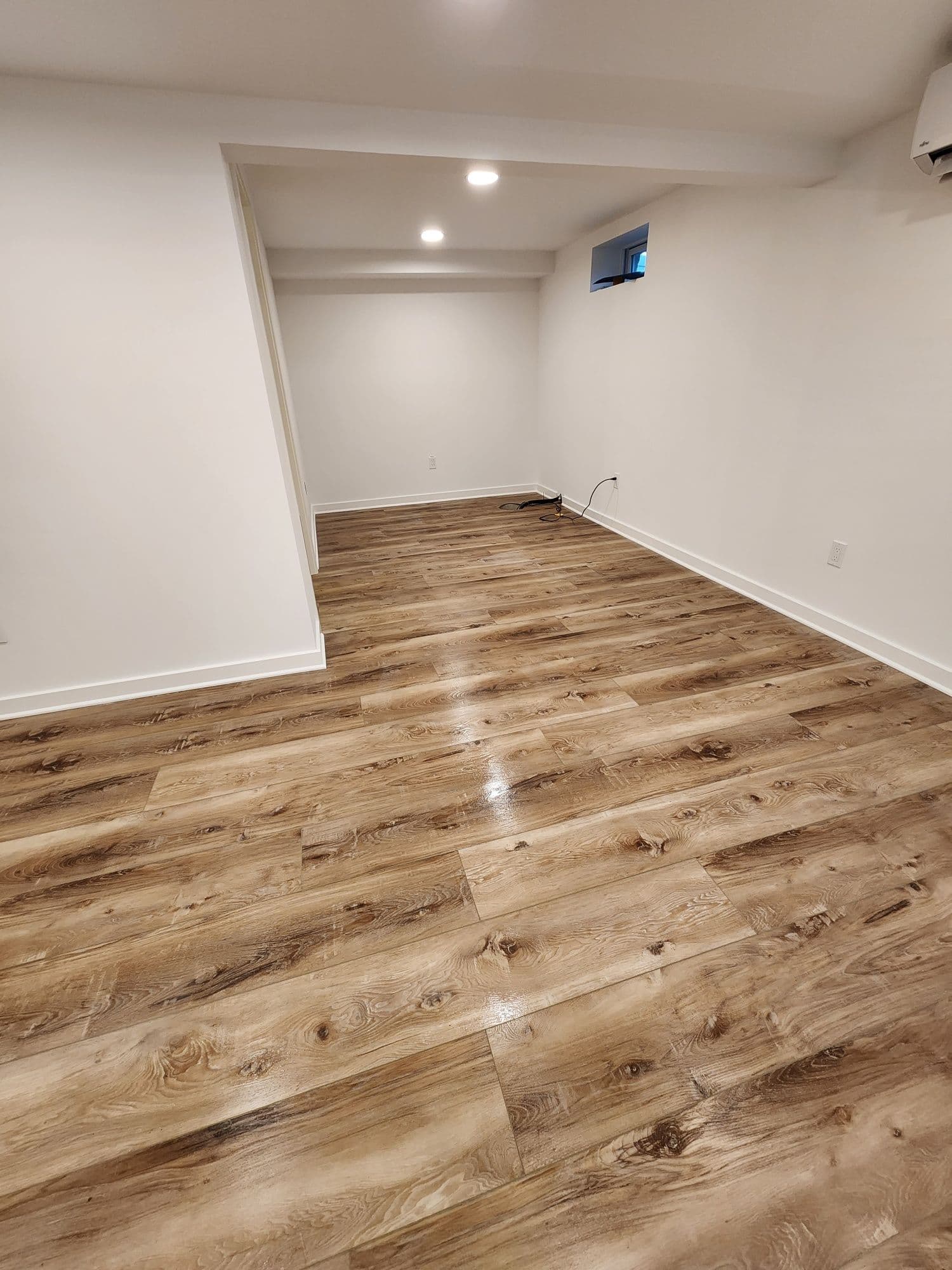
Waterproof floors make cleaning easier and faster. A quick sweep and damp mop gets rid of most messes. You're less likely to have to deal with moisture soaking through to the layer below, which helps stop mildew and odors from forming. Hard surface floors like LVP also don't trap allergens, dust, or pet dander the way carpet does, making them a better fit for households dealing with asthma or allergies.
To keep the mess controlled, it helps to:
- Place a boot tray or washable rug near the entrance
- Add hooks or cubbies to keep wet coats and bags off the floor
- Make sure kids and pets have a spot to get wiped off before they come through
These small things work with the floor to keep dirt and water from spreading beyond the mudroom. And since the materials stay tough through it all, the room stays looking good with just a little regular effort.
The Best Waterproof Flooring Transforms Your Basement Mudroom
When basement mudrooms have flooring that blocks moisture and withstands dirt, they become more than a pass-through. They feel like useful parts of the home, not just the place where muddy shoes get tossed.
With the right waterproof flooring installed in your basement mudroom, that high-traffic, often-ignored entryway becomes cleaner, drier, and far easier to maintain. The best options handle springtime mud, rainy day messes, and winter salt with ease, one easy-to-clean square foot at a time.
At CALI, we understand how important it is to have a space that stands up to whatever each season brings. Basement mudrooms face wet shoes, dripping umbrellas, and seasonal mud that can leave lasting marks, so we offer durable options designed to resist mess and moisture while maintaining their appearance. Take a closer look at our waterproof flooring options and reach out to us to discuss the best fit for your home.