
Top 10 Bamboo Flooring Myths and Facts | CALI
2015-12-02, Cali
Share:
If you’re considering bamboo flooring, chances are you’ve heard tons of conflicting info about the benefits and drawbacks of using bamboo material in your home or commercial space. A quick Google search will present you with an overwhelming number of claims that will probably leave you a little confused. The fact of the matter is that bamboo flooring has evolved a lot over the years, and even today not all bamboo flooring is created equally. This has led to a great deal of outdated data and misinformation floating around that is simply inaccurate. There is no one-size-fits-all guide to bamboo flooring; manufacturing quality control, the bamboo plant’s maturity, and the quality of the binders and adhesives used all affect a floor’s durability, VOC off-gassing, and overall consumer value.
With everything you’ve heard about bamboo flooring, how can you be sure what is fact and what is fiction? We’ve heard it all at CALI, so today we’re presenting some bamboo flooring facts to debunk the top 10 bamboo flooring myths.
Myth #1: Bamboo flooring is soft.
The Truth: The first generation of bamboo floors to hit the market in the mid-1990s gave bamboo a bad reputation for being soft and susceptible to scratching and denting, but advances in manufacturing techniques over the years have actually made certain types of bamboo flooring far more durable than even the hardest traditional solid or engineered hardwood flooring. Strand-woven bamboo flooring debuted in 2007 and is over 3x harder than vertical or horizontal engineered bamboo flooring. This was thanks to an evolution in the manufacturing process from simply gluing bamboo strips together to utilizing steel hydraulic presses capable of applying intense heat and tens of thousands of pounds of force forming a dense block from which the flooring planks are then milled. CALI's Fossilized® strand woven process takes this one step further, compressing 30% more bamboo into each plank achieving up to 5x greater density.
The easiest way to determine a floor’s hardness and durability is to check its Janka Hardness rating. The Janka Hardness test works by measuring the force required to embed a 11.28mm steel ball halfway into a material. The greater the amount of force needed, the higher the Janka score and the more durable the wood. CALI's Fossilized bamboo flooring has earned the title of The World’s Hardest Floors™ with a Janka Hardness rating of up to 5,000+ lbs. Learn more.
BUYER BEWARE!!
Don’t just take a company’s word for it. Due to a lack of regulatory requirements, it’s quite common for companies to publish high Janka scores without providing any proof. When in doubt, assume all Janka information is unreliable without the actual test results from an accredited testing facility.
Myth #2: Bamboo flooring scratches easily.
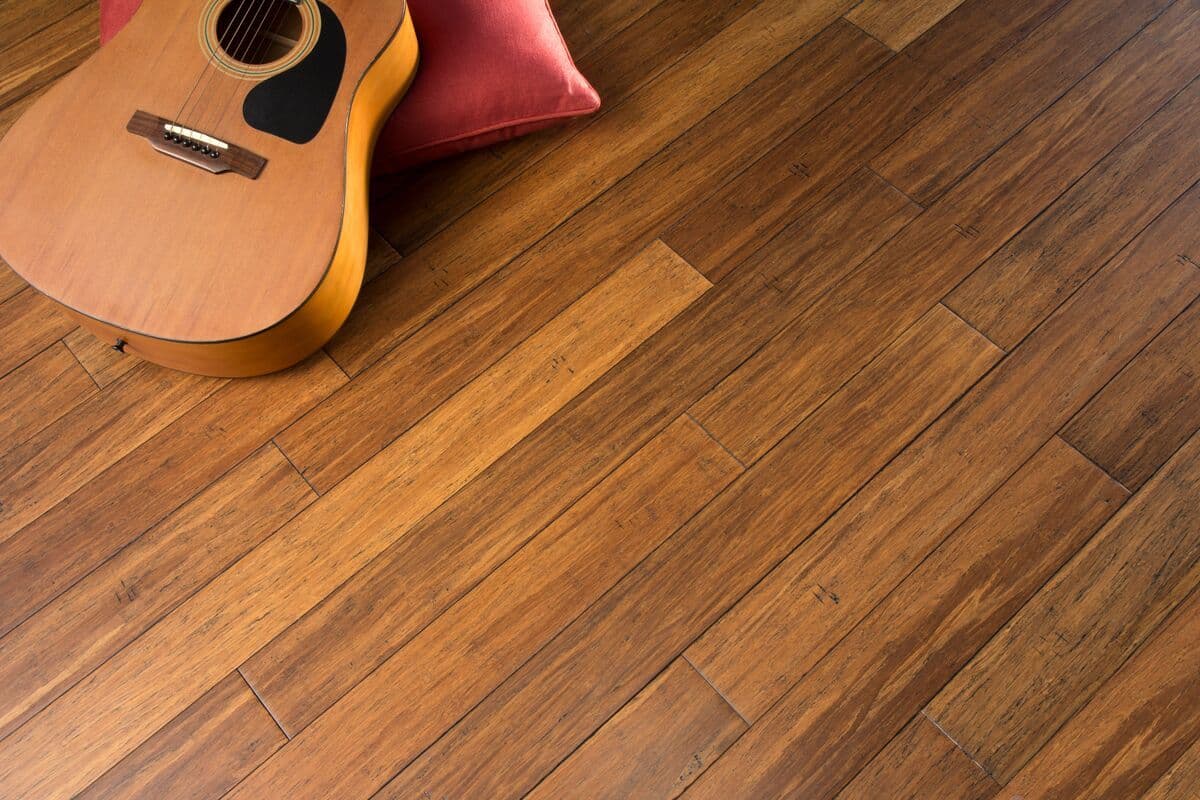
The Truth: This might be true for low-cost bamboo flooring with a poor finish, but floors with several layers of an aluminum oxide finish will be much more scratch-resistant. CALI solid bamboo floors in particular are made with an industry-leading 10-layer, water-based, topcoat system that helps them stand up to, well… life. Our engineered bamboo floors are protected by 13 coats of finish, providing even more peace of mind when it comes to surface damage. Learn more.
BUYER BEWARE!!
Again, don’t just take a company’s word for it. Due to lawsuits filed against major flooring manufacturers regarding high levels of formaldehyde emissions, it’s quite common for companies to publish “Low VOC” or “Formaldehyde Free” labels without providing any proof. When in doubt, assume emissions data is unreliable without test results from an accredited testing facility.
Myth #3: Bamboo flooring contains formaldehyde.
The Truth: Formaldehyde is a naturally occurring chemical found in just about everything – apples, shampoo, even the air we breathe. There has been a great deal of concern over high levels of formaldehyde emissions coming from low-cost laminate flooring, which has been known to cause serious health problems. Unfortunately, some manufacturers have gotten good at cutting corners that don’t necessarily affect a floor’s appearance. Two floors can look very similar while one can contain a host of mystery materials loaded with harmful chemicals in an effort to “save” costs. Generally, the lower the price point, the lower the product quality, and the higher the chance for indoor air quality concerns. When shopping for new flooring for your home, always do your research and check third-party formaldehyde test results to protect your family’s health.
For years, CALI has worked with the leading emissions detection laboratory Benchmark International (BMH), maintaining transparency by posting our results online. Test results show that several of our floors register formaldehyde concentration levels as “Not Detectable”, with less than 0.000 parts per million (PPM). The floors with detectable levels are still 50 times lower than the strictest California Air Resources Board (CARB) Phase 2 standards 0.05 PPM. In fact, all CALI flooring formaldehyde emission levels are at least half the levels found in the typical air we breathe. Learn more.
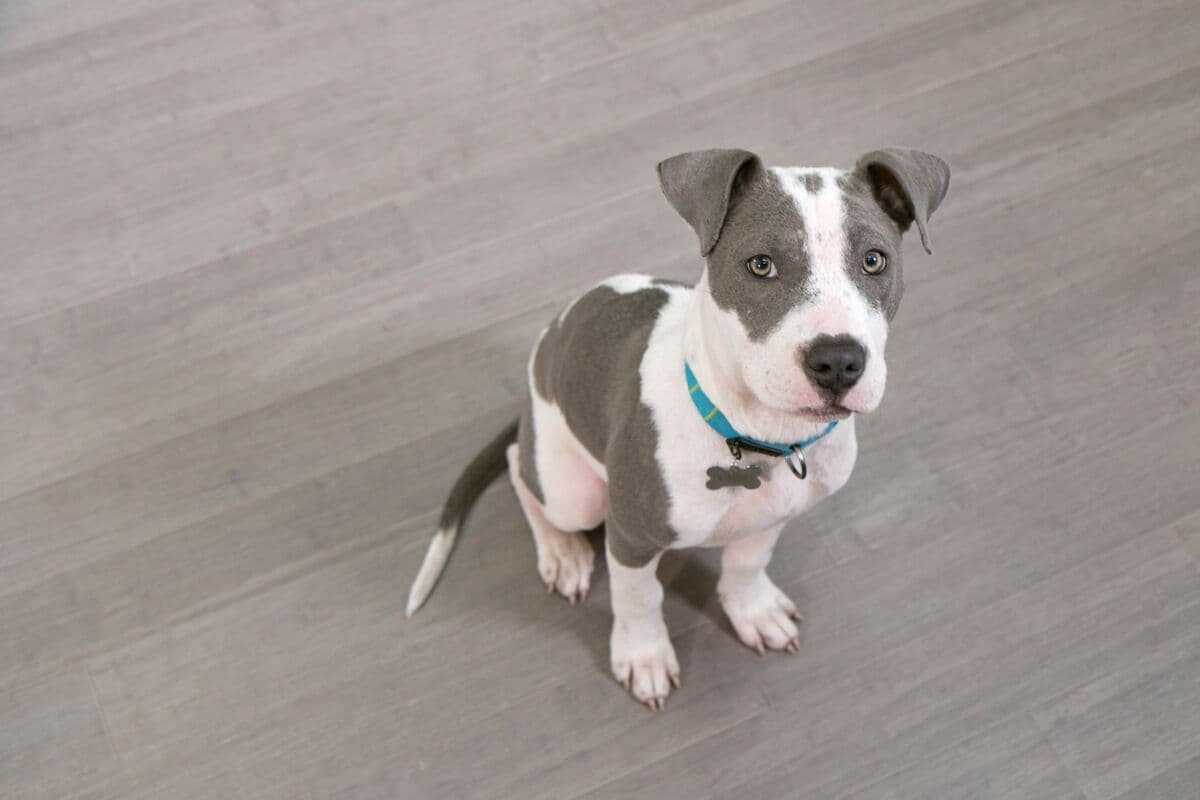
Myth #4: Bamboo flooring is unstable – it expands and contracts more than other natural hardwood floors and doesn't do well in dry or humid climates.
The Truth: Bamboo flooring behaves no differently than other hardwoods. Because it is a natural product, it will expand as it absorbs humidity and shrink as the air grows drier. But before you rule out bamboo for your extremely dry or humid climate (like Colorado or Florida), keep in mind that gaps and distortion can be avoided by properly acclimating the flooring planks prior to installation. We recommend acclimating your flooring for a minimum of 5 days, but locations with extremely low or high humidity will require a longer acclimation period. Learn more about acclimating bamboo flooring in extreme climates.
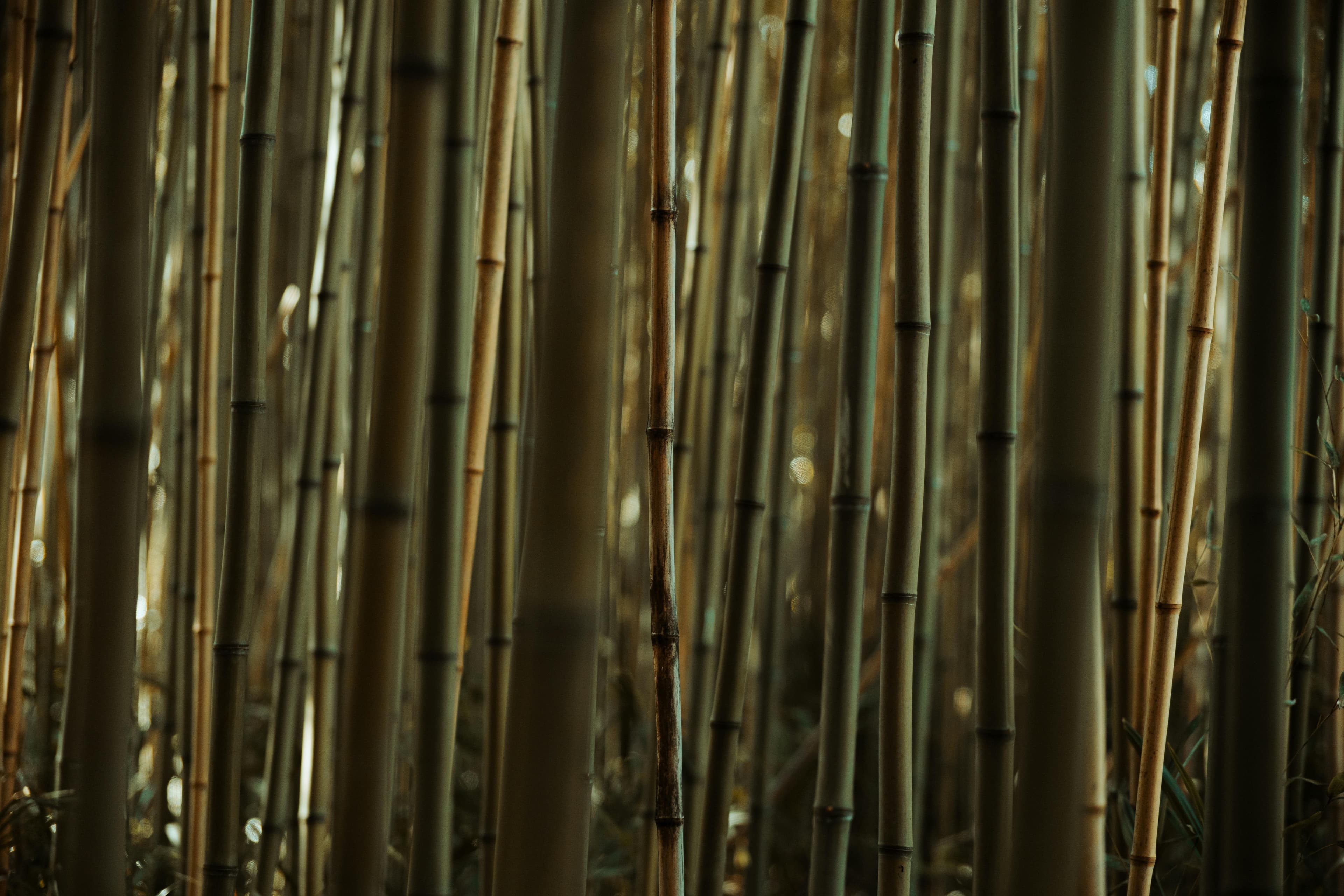
Myth #5: Bamboo flooring is not eco-friendly because it has to be shipped from outside the United States.
The Truth: The bamboo used for flooring is typically harvested in the mountains of central China, so it does need to be shipped overseas. However, it is important to note that most solid hardwood flooring comes from all corners of the world. Deciduous hardwoods such as oak typically come from Europe, Japan, New Zealand, or Chile, and evergreen hardwoods such as mahogany or walnut can come from places as far as southeastern Africa, Burma, or India. Very little hardwood is actually harvested in the United States, so no matter what type of wood flooring you choose – bamboo or otherwise – it will likely need to be shipped from overseas. That being said, you can counterbalance the carbon externalities incurred from shipping overseas by choosing a floor made from a rapidly-renewable material such as bamboo, instead of old-growth hardwood.
What makes bamboo green?
Bamboo is the fastest-growing plant on Earth! Bamboo (which is actually a woody grass) yields 15x more material than traditional hardwood trees and can be continually re-harvested every 3 years without damaging the plant system or surrounding environment. Learn more about what makes bamboo green. Additionally, CALI has greened our manufacturing processes by capturing the emissions generated from treating/drying our products instead of releasing them into the atmosphere, creating dedicated wastewater treatment plants at manufacturing facilities, and utilizing boxes and bags made with recycled materials.
Need more reasons to go with bamboo? Traditional hardwood prices have been rising over the past few years and the proliferation of the poaching of wood from protected lands, particularly in eastern Russia, clouds an already dark industry. Even for domestic hardwoods that do not need to be shipped from overseas, logging has destructive effects on the environment. When weighing the environmental costs of shipping a product overseas vs. deforestation, the carbon equation often leans more favorably towards shipping. In fact, using any material other than traditional old-growth hardwood is a step in the right direction that decreases our planet's dependency on deforestation.
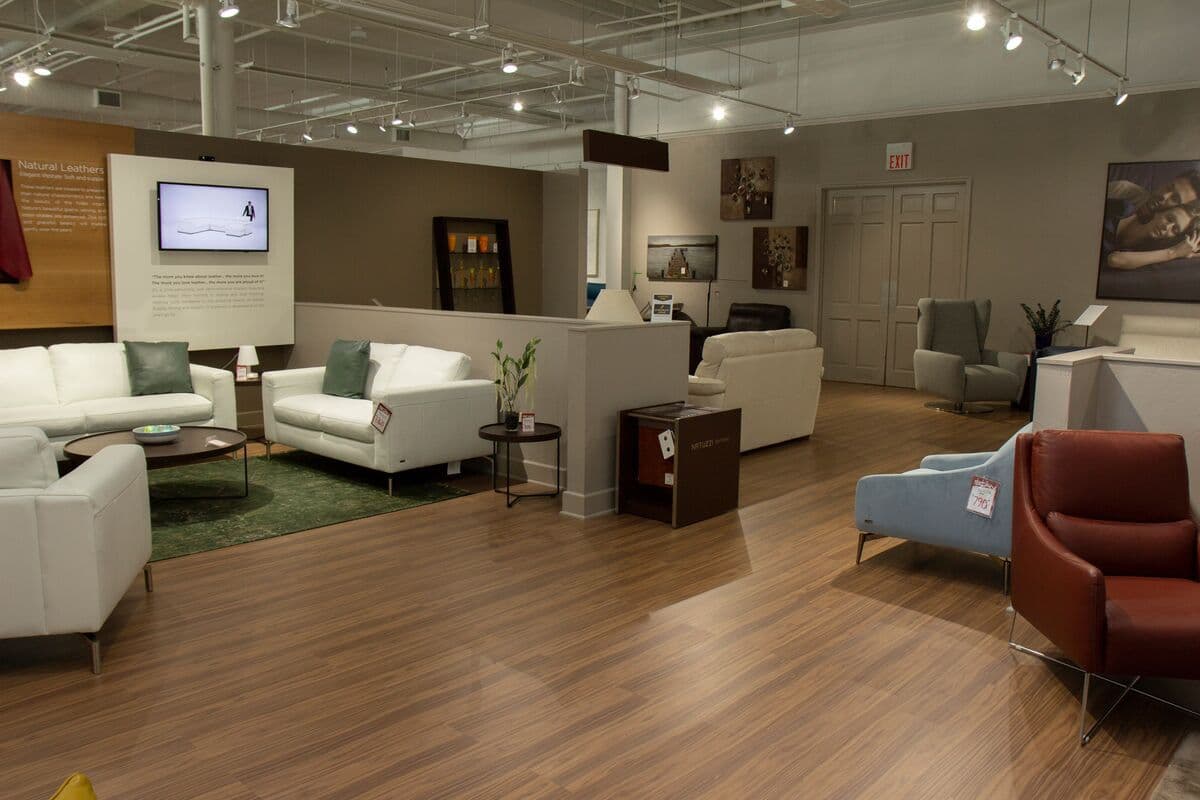
Myth #6: Bamboo flooring is not suitable for commercial applications.
The Truth: Depending on the quality, Janka Hardness rating, and finish, bamboo flooring can be an excellent choice in commercial spaces. With a Janka Hardness rating of over 5000+ lbs., CALI's Fossilized bamboo flooring effectively holds up to high-traffic areas. Sony put our Natural Fossilized® flooring to the test by installing it in over 30 stores across the country. One manager in San Diego said “The floors look great and are holding up very well. There is a noticeable difference in the durability between this bamboo and the other bamboo that was installed previously.”
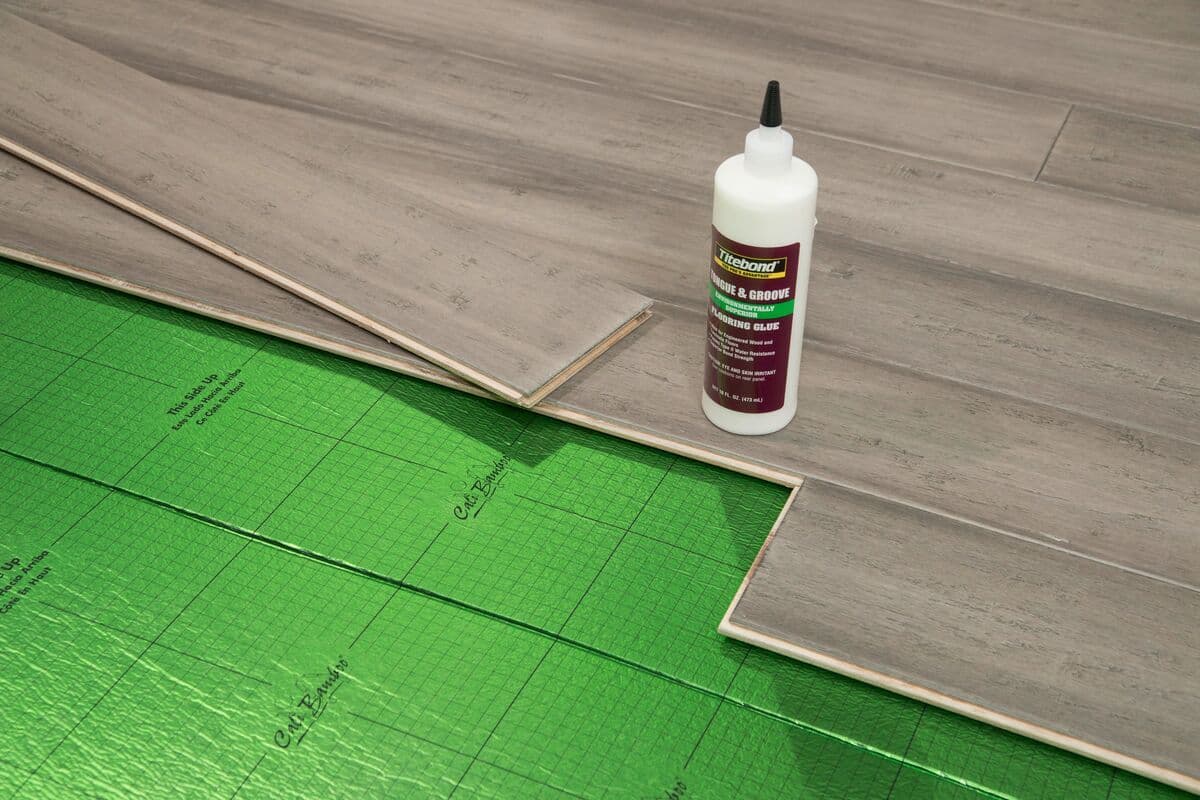
Myth #7: Bamboo flooring cannot be installed over concrete.
The Truth: CALI Bamboo flooring can absolutely be installed over concrete, just be sure to apply a concrete vapor barrier first to prevent mold, mildew, and other moisture-related issues. CALI recommends Titebond 531+, which minimizes moisture transferred from the slab to your floor by 75-90%. Learn more about concrete vapor barriers.
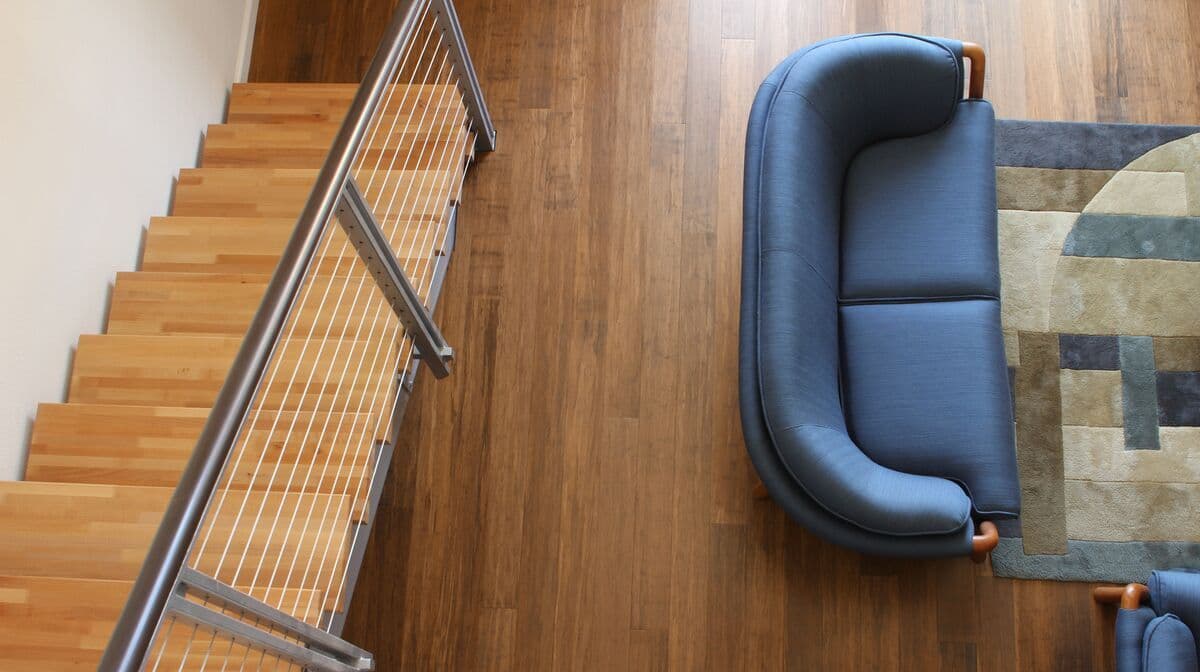
Myth #8: Bamboo flooring cannot be glued down.
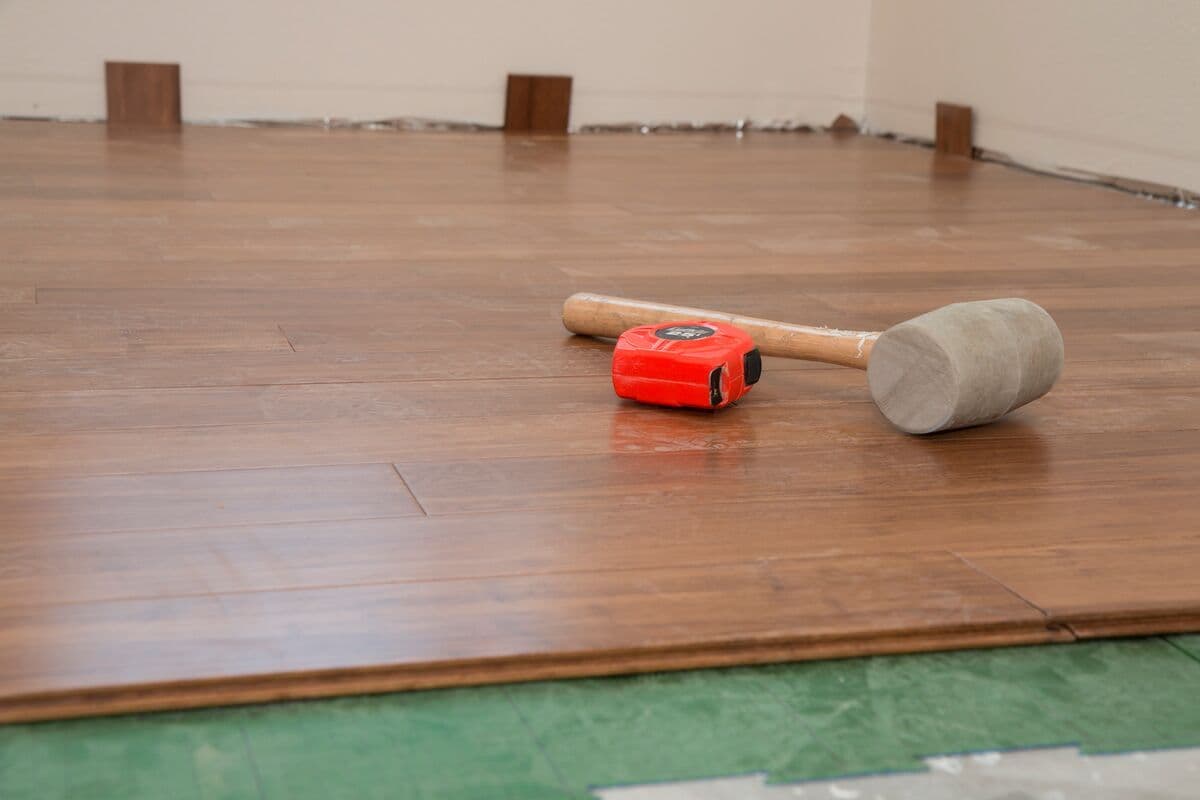
The Truth: Bamboo flooring can be installed using a number of methods, including glue down, floating, and nailing. The glue-down method is commonly used when installing over concrete that is on or above grade. Learn how to install bamboo flooring using any method.
Myth #9: Bamboo flooring cannot be refinished.
The Truth: Bamboo can be refinished if the process is performed by an experienced flooring refinisher. Most engineered bamboo flooring and solid bamboo flooring should be able to be refinished several times should you ever need to. That said, CALI bamboo flooring is protected by a robust aluminum oxide finish covered by the floor’s warranty and should not require refinishing. As long as a floor is kept clean and free of debris, the floor's scratch resistance and hardness will keep it looking great for years to come.
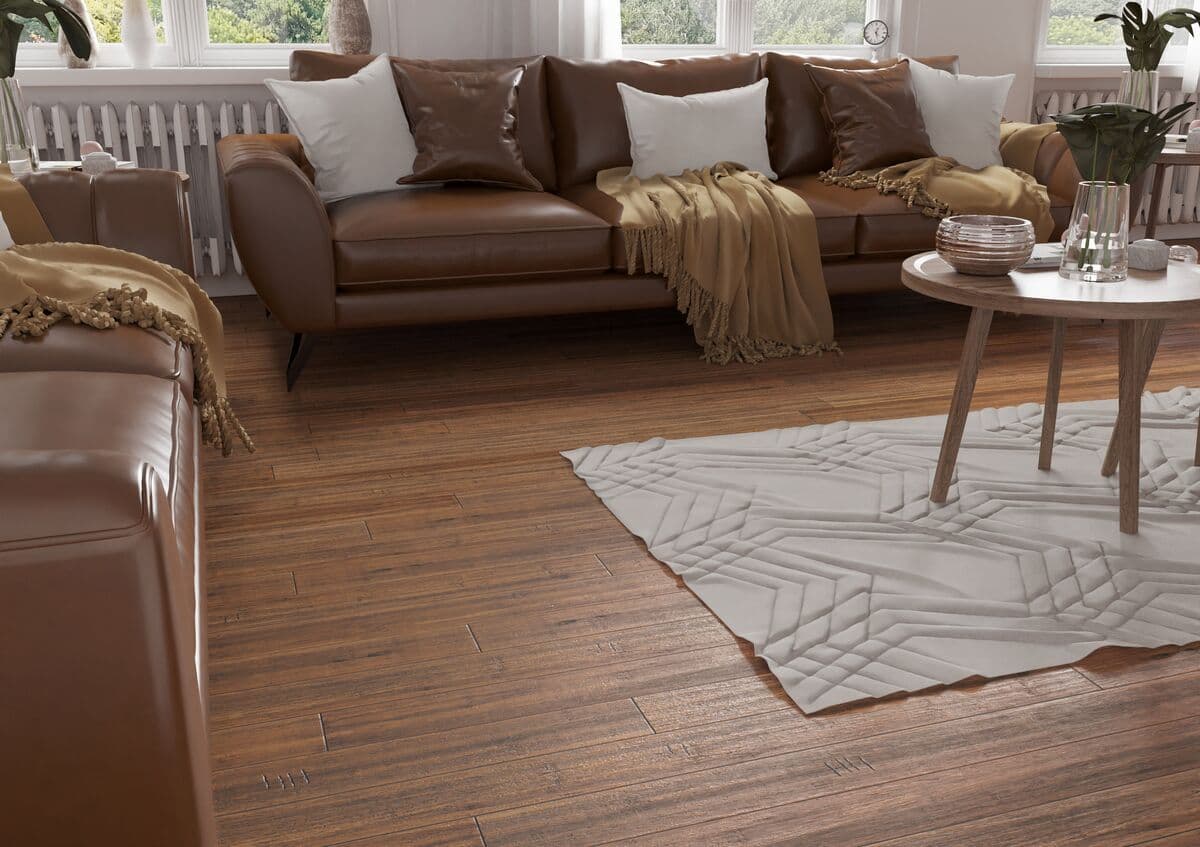
Myth #10: There are not many color options for bamboo flooring.
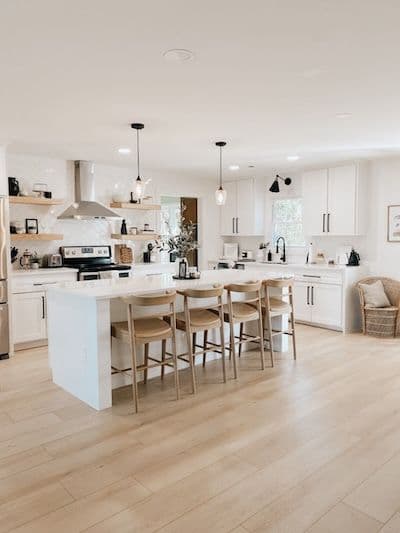
The Truth: There are endless color options for bamboo flooring! CALI alone has over 13 different colors and styles to choose from. Browse the selection here and find a floor to fit your style!
Square Footage Calculator
Figure out how much flooring you will need for your Cali Floors Project

Square Footage Calculator
Figure out how much flooring you will need for your Cali Floors Project
Room Visualizer Tool
Use this 3D tool to imagine Cali Floors in your home!

Room Visualizer Tool
Use this 3D tool to imagine Cali Floors in your home!