







A Guide to 9 Different Flooring Saws
Share:
Ready to dive into the world of flooring saws? Whether you're a weekend DIY warrior or a seasoned pro, picking the right saw for your flooring project is kind of like choosing the best topping for your pizza – it makes all the difference. We're going to walk you through the ins and outs of various flooring saws, helping you find your perfect match. Whether you’re tackling vinyl, hardwood, or something in between, we've got you covered.

1
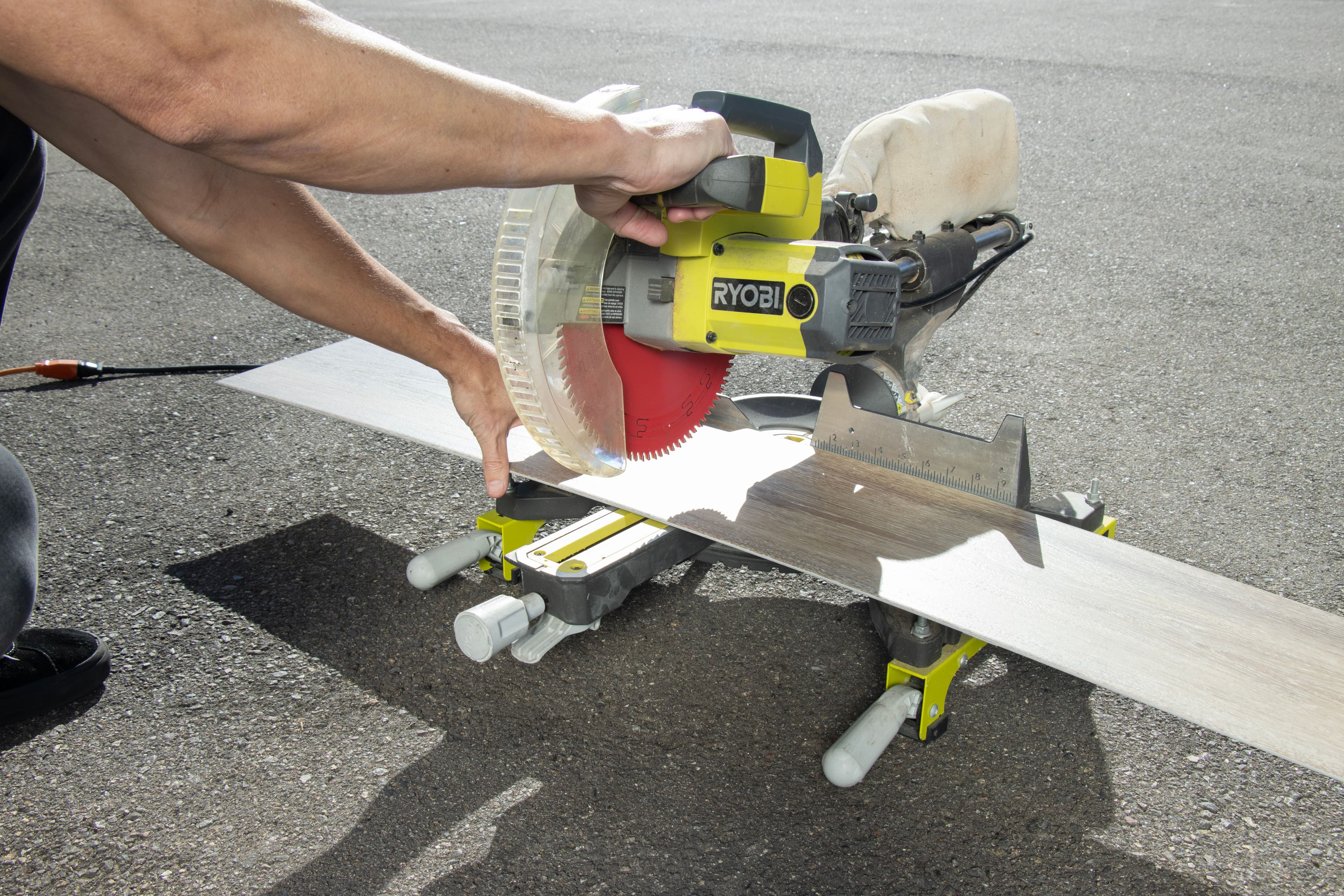
Miter Saw
Type: Power
Cuts: Length, Angles
Benefits: Fast, Accurate
Recommended Protection: Eye, Ear, Respirator/Dust Mask
Description: This power saw can be used to quickly and easily cut planks to a custom length either at right angles (90 degrees) or at custom angles like 45 degrees. Some miter saws also have a sliding compound motion that allows them to cut planks up to 16 inches wide.
2
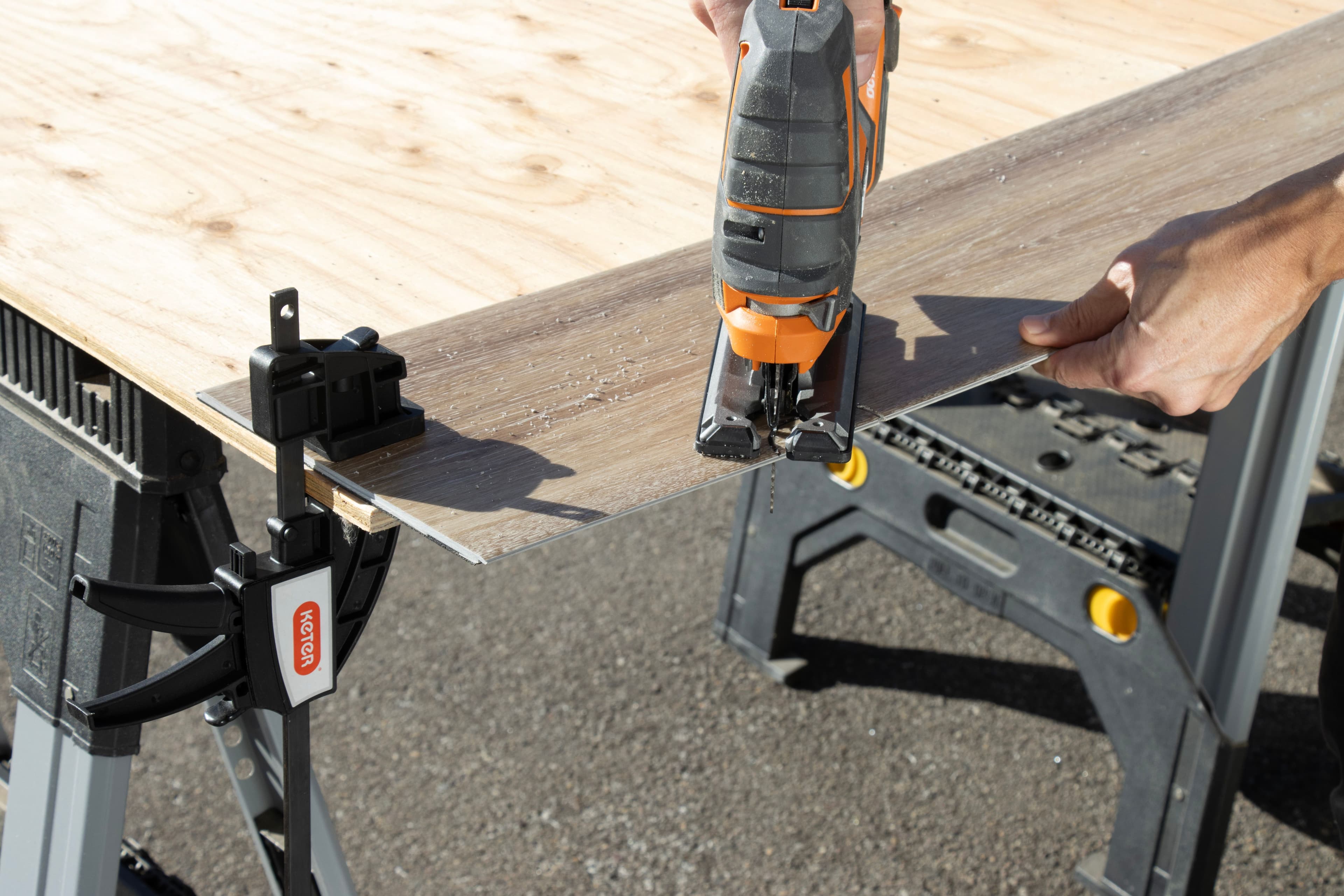
Jig Saw
Type: Power
Cuts: Curved, Complex Shapes
Benefits: Versatile, Ideal for Intricate Cuts
Recommended Protection: Eye, Ear
Description: A jig saw is a versatile power tool that excels in cutting intricate shapes and curves in various materials. It's ideal for crafting detailed patterns and can navigate tight curves with ease.
3
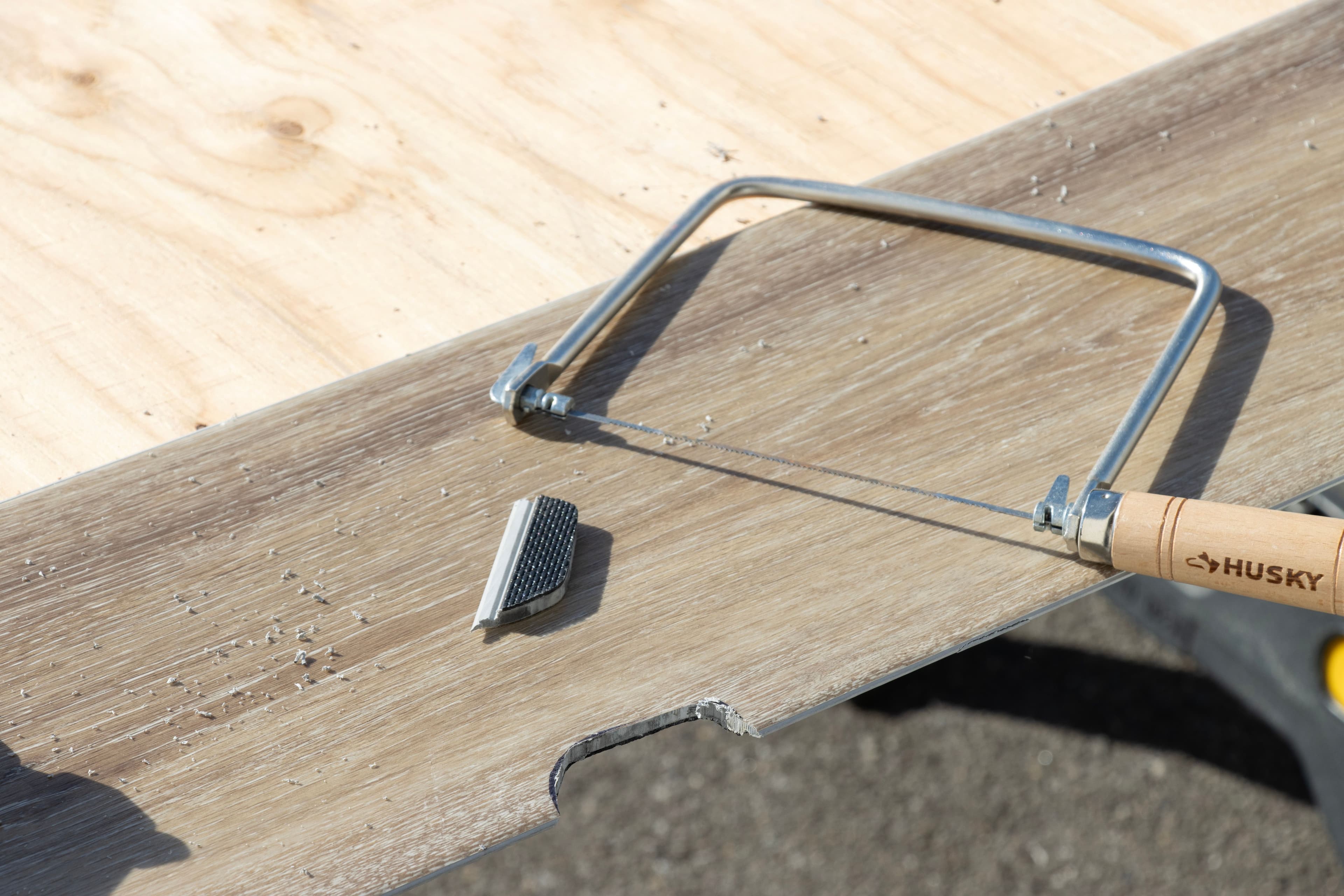
Coping Saw
Type: Hand
Cuts: Intricate Shapes, Internal Cutouts
Benefits: High Precision, Ideal for Fine Woodworking
Recommended Protection: Eye
Description: The coping saw, a hand tool, is perfect for detailed woodworking. Its thin blade allows for high precision in cutting intricate shapes and internal cutouts, especially in molding and trim work.
4
Hand Saw
Type: Hand
Cuts: General Cutting, Length
Benefits: Portable, No Power Required
Recommended Protection: Eye
Description: A traditional tool, the hand saw is essential for general cutting tasks. It's ideal for cutting planks to length and doesn't require electricity, making it highly portable and reliable for a variety of settings.

5
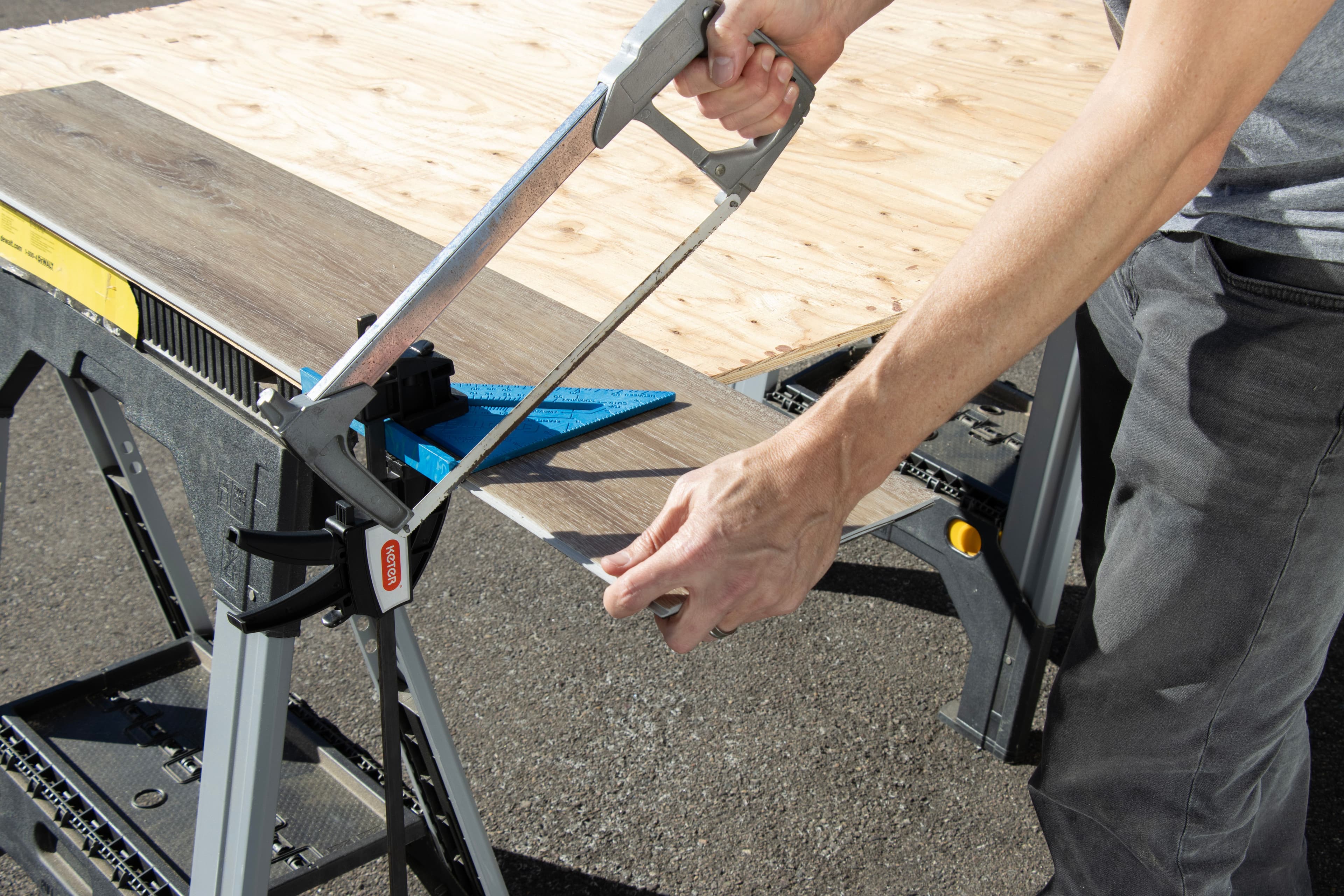
Hack Saw
Type: Hand
Cuts: Metal, Plastic Pipes
Benefits: Precise, Ideal for Metal and Plastic
Recommended Protection: Eye
Description: The hack saw is designed primarily for cutting through metal and plastic materials. It's a must-have for precision work in metal cutting, including pipes and rods.
6
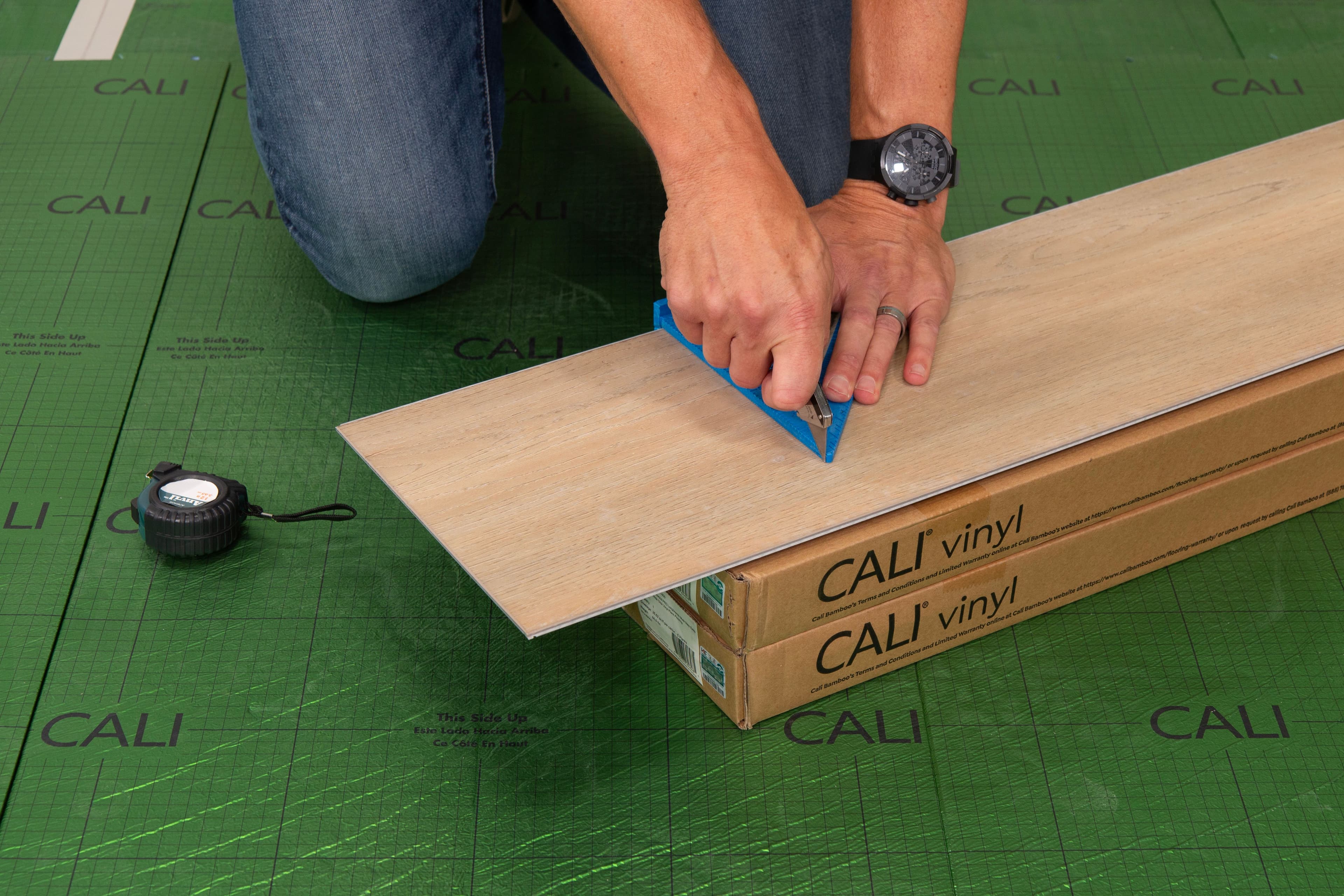
Utility Knife
Type: Hand
Cuts: Precision Trimming, Shallow Cuts
Benefits: Highly Controlled Cuts, Easy to Handle
Recommended Protection: Hand Protection
Description: A utility knife is perfect for precision trimming and shallow cuts. It offers control and ease of use for tasks like cutting boxes, wallpaper, and thin materials.
7
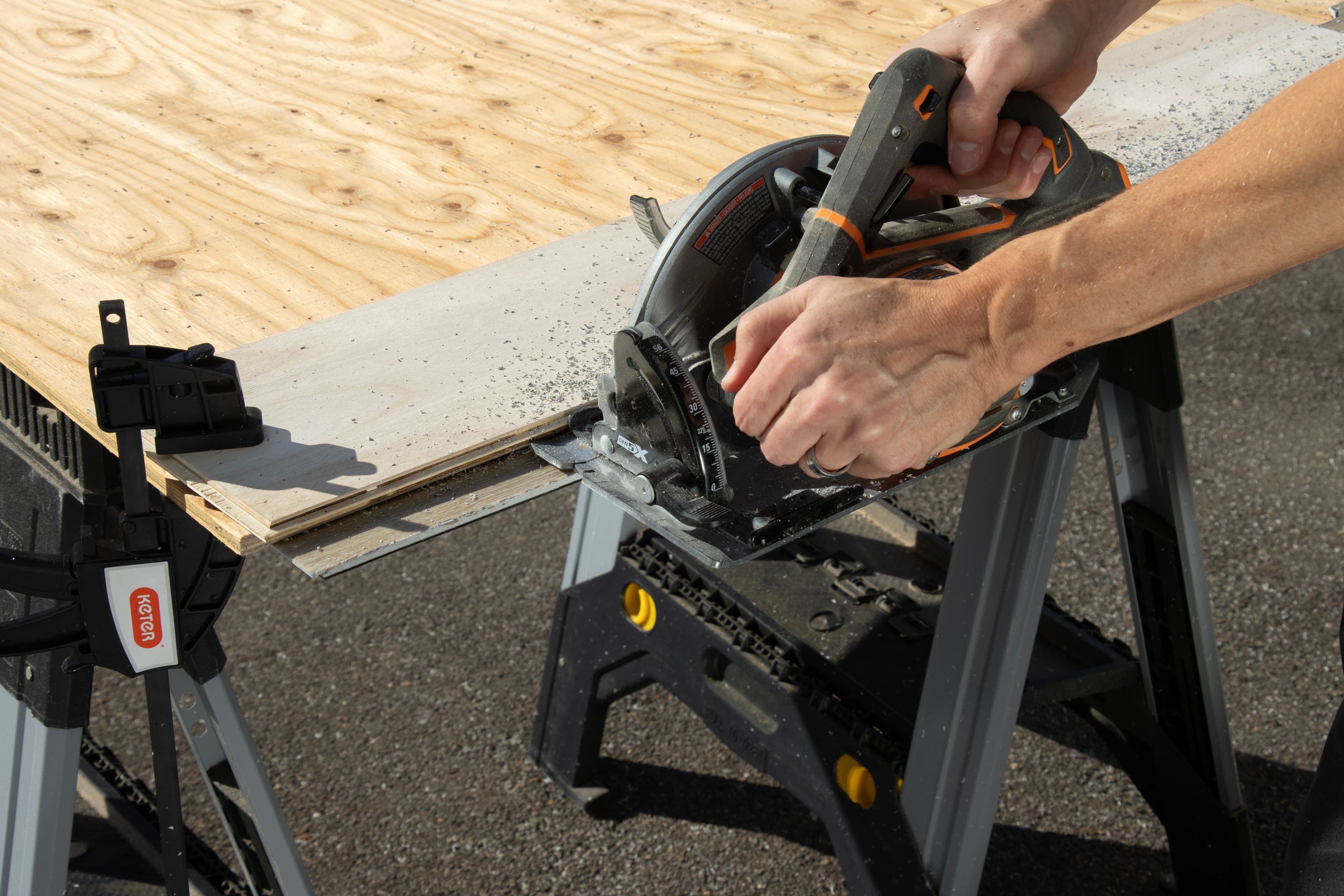
Circular Saw
Type: Power
Cuts: Straight, Long Cuts
Benefits: Fast, Versatile for Thick Materials
Recommended Protection: Eye, Ear, Respirator/Dust Mask
Description: This power tool is great for making fast, straight cuts in materials like wood and plywood. Circular saws are versatile and can handle thicker materials, making them a staple in carpentry and construction work.
8
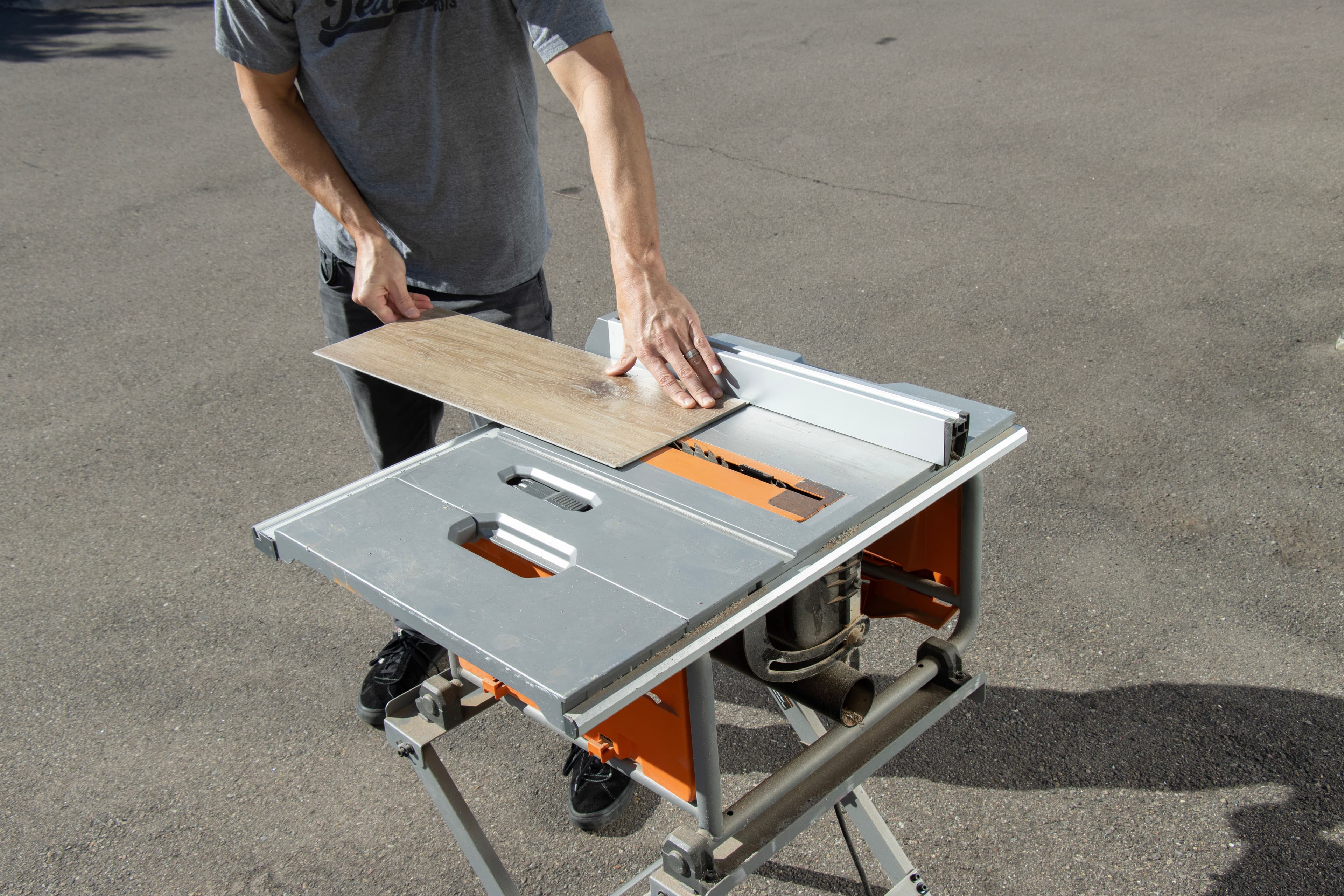
Table Saw
Type: Power
Cuts: Long, Straight Cuts; Rip Cuts
Benefits: Precise, High Volume Cutting
Recommended Protection: Eye, Ear, Respirator/Dust Mask
Description: The table saw is ideal for precise, high-volume cutting tasks. It's particularly good for long, straight cuts and rip cuts in materials like wood, offering both accuracy and efficiency in cutting large volumes.
9
Guillotine Flooring Cutter
Type: Manual
Cuts: Straight, Clean Edges
Benefits: Quiet, Dust-Free, Precise
Recommended Protection: Eye Protection
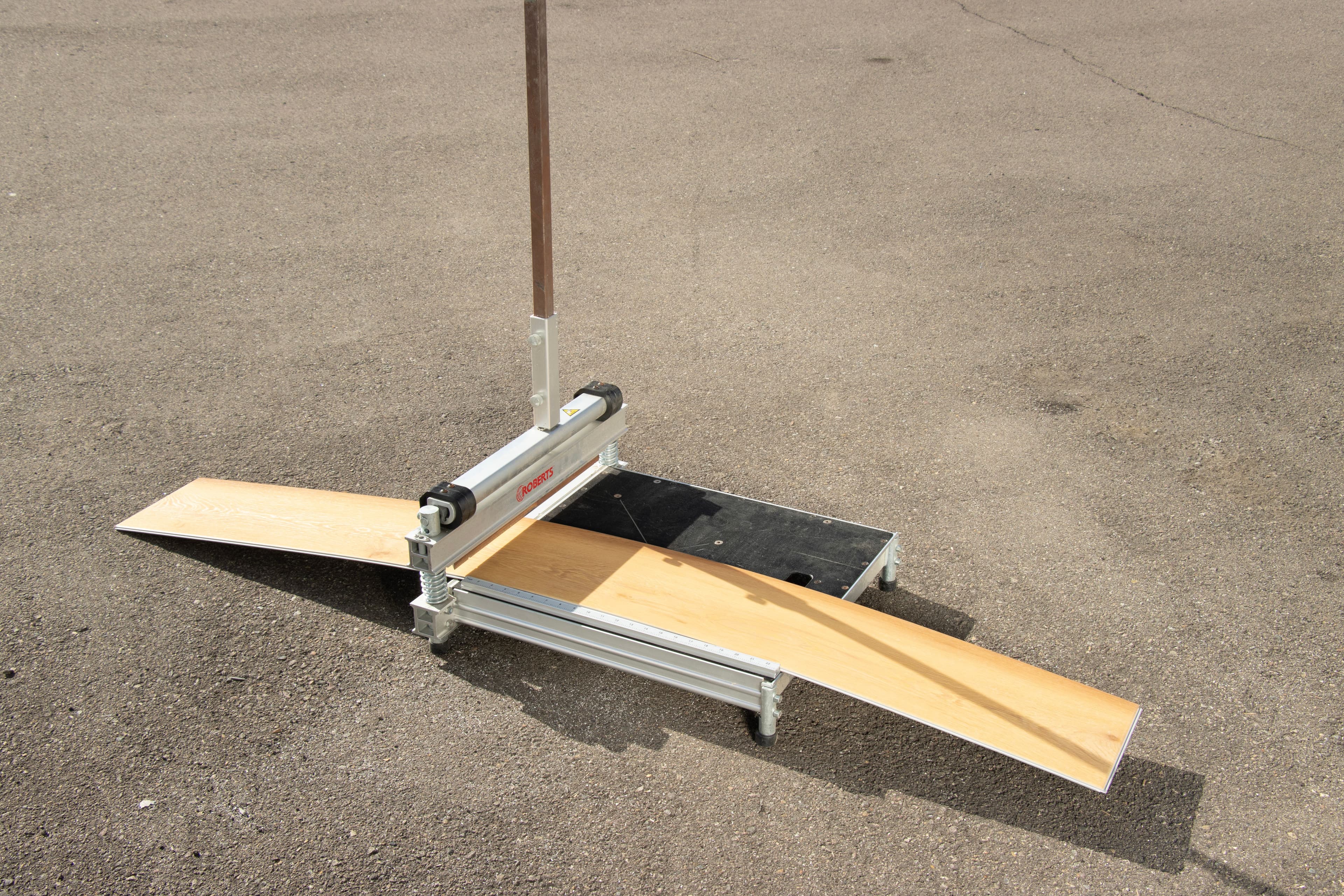
Description: A guillotine is a manual tool specifically designed for cutting flooring materials like laminate, vinyl, and engineered wood. It offers a clean and straight cut with minimal effort. This cutter is particularly advantageous for indoor use as it operates quietly and produces no dust, unlike many power saws. It's ideal for precise, straight-edged cuts and requires less setup time, making it an efficient tool for flooring installations.
Remember, the best flooring saw is the one that suits your project's needs and makes you feel like a DIY superhero. So, go ahead, choose your flooring saw with confidence and make your project a smashing success. Happy sawing!