







6 Installation Tips to Prevent CALI Flooring Problems
2026-06-01, Laura Nieto
Share:
Researching CALI flooring quality? You may have come across mixed reviews online. Here's what's important to know: many common flooring problems—including buckling, warping, and cracking—stem from installation errors, not product defects.
Whether you're installing bamboo, vinyl, laminate, or hardwood (from CALI or any brand), following the right installation steps makes all the difference. This guide will help you avoid the mistakes that lead to flooring failures and protect your investment for years to come.
Why Proper Installation Matters
Your new CALI floor is an investment, and we want to help you protect it. Most flooring issues can be prevented by following manufacturer guidelines carefully. Proper installation also ensures your warranty coverage remains intact.
If you're working with a professional installer, share these tips with them. Even experienced installers can run into problems if they don't follow the specific requirements for your flooring type.
Common Flooring Problems (And What Causes Them)
Before we dive into installation tips, here's what can go wrong when proper steps aren't followed:
Bamboo flooring buckling or warping – Usually caused by moisture issues, improper acclimation, or missing moisture barriers
Vinyl plank cracking – Often results from uneven subfloors, improper installation technique, or temperature extremes
Gapping between planks – Caused by skipping acclimation, incorrect environmental controls, or installation errors.
Cupping or lifting floors – Typically from subfloor moisture, missing vapor barriers, or installation over wet concrete
Premature wear or finish deterioration – Can result from cleaning with the wrong products or environmental factors
The good news? All of these issues are preventable. Here's how.
Tip 1: Start with the Right Installation Guide
Make sure you're following the correct guide for your specific CALI flooring collection. CALI offers different flooring types—hardwood, vinyl, laminate, and bamboo—and each has unique installation requirements. Bamboo flooring, for example, requires different acclimation and moisture control than luxury vinyl plank. Using the wrong installation guide, even for a similar-looking product, can lead to serious problems.
Find your installation guide: Visit https://www.califloors.com/flooring-installation and locate the guide for your specific collection name and product type.
Why this matters: Installation methods vary by flooring type and even by collection. For example, CALI vinyl floors use two different click-lock systems (angle-angle or drop-lock), and the techniques aren't interchangeable. Following the wrong method causes gapping and misalignment.
Tip 2: Don't Skip Pre-Installation Steps
This is the #1 cause of flooring problems. Proper installation starts before you lay the first plank.
Critical Pre-Installation Steps:
Subfloor Preparation
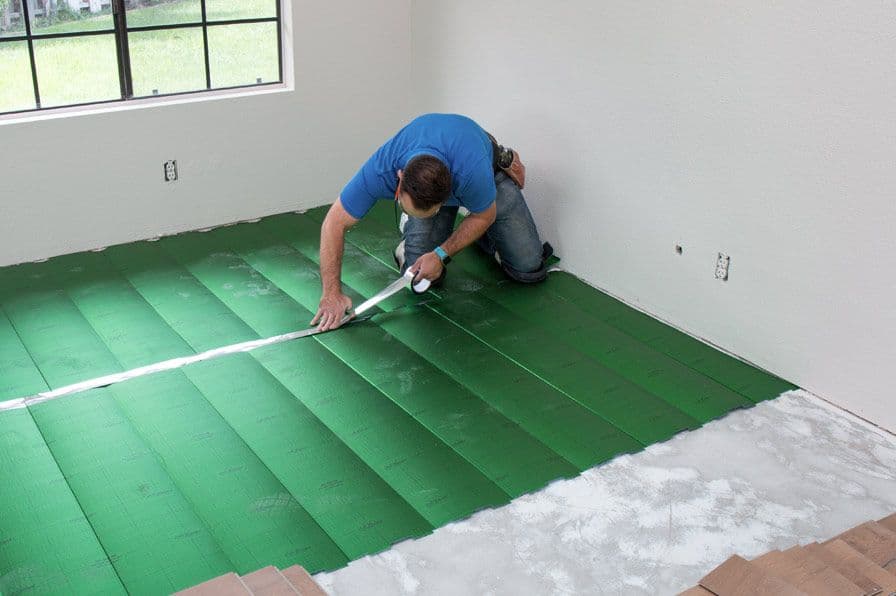
- Subfloor must be dry, flat, level, and clean
- Check flatness: no more than 3/16" variation per 10-foot radius
- Remove all debris, old adhesive, and contaminants
- Why bamboo floors buckle: Installing over uneven or wet subfloors is a leading cause
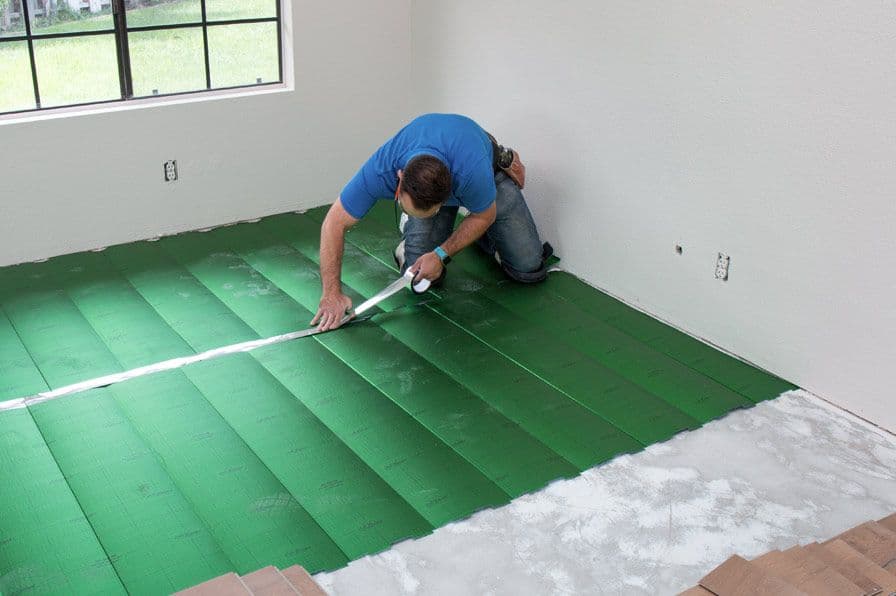
Moisture Testing & Barriers
- Test concrete subfloors for moisture content before installation
- Use recommended moisture barriers, especially over concrete
- For wood subfloors, use appropriate vapor barriers
- Preventing vinyl plank cracking: Moisture barriers protect against subfloor issues that cause cracking
Acclimation Requirements
- Check your installation guide—acclimation requirements vary by product
- Some collections need 24-hour acclimation; others can be installed immediately
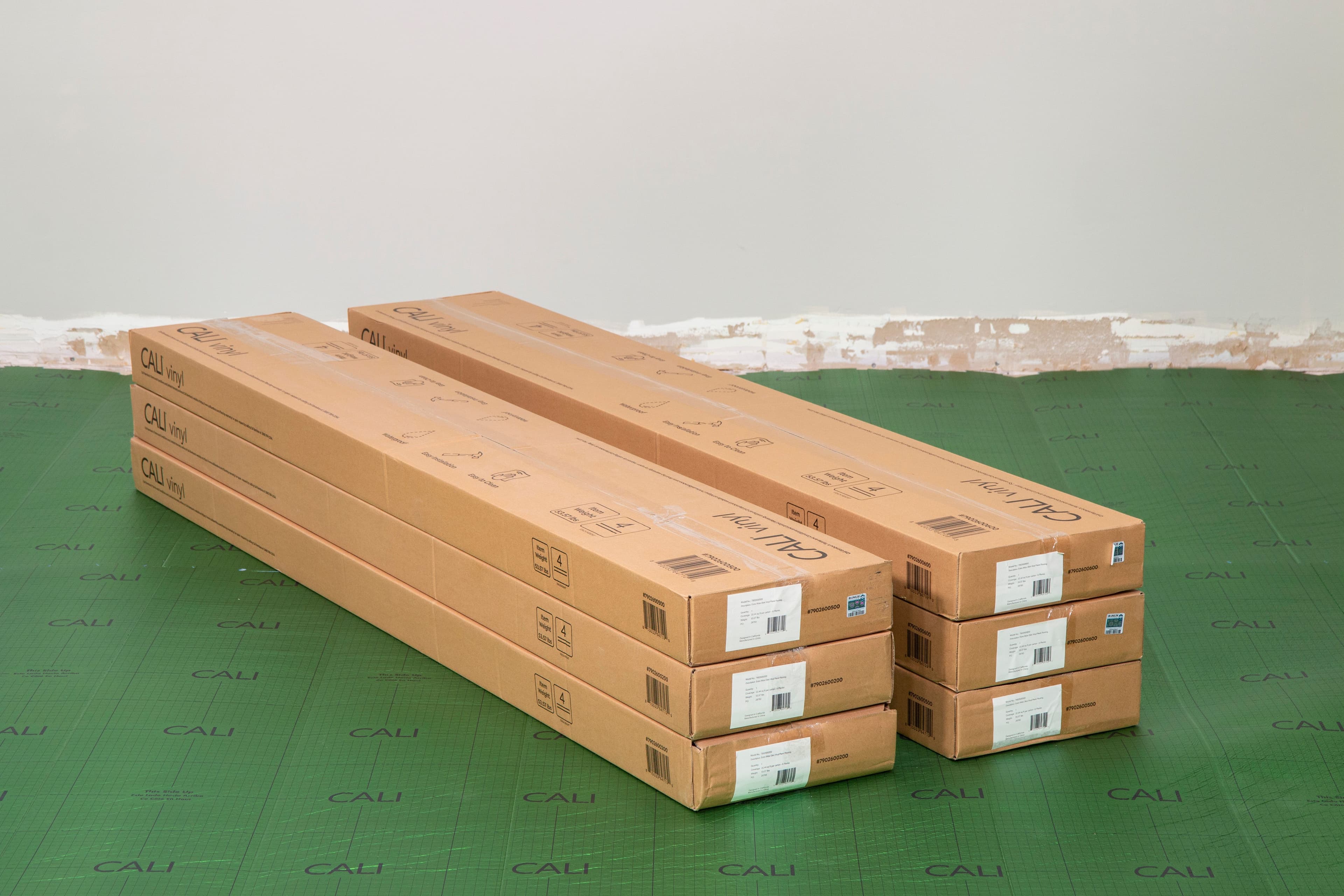
- Store unopened boxes in the installation area
- Critical for bamboo: Skipping acclimation is a major cause of warping and buckling
Environmental Controls
- Maintain proper temperature and humidity before, during, and after installation
- Check your guide for specific temperature ranges
- HVAC systems should be operational before installation begins
Tip 3: Know Your Click-Lock System (Vinyl & Laminate)
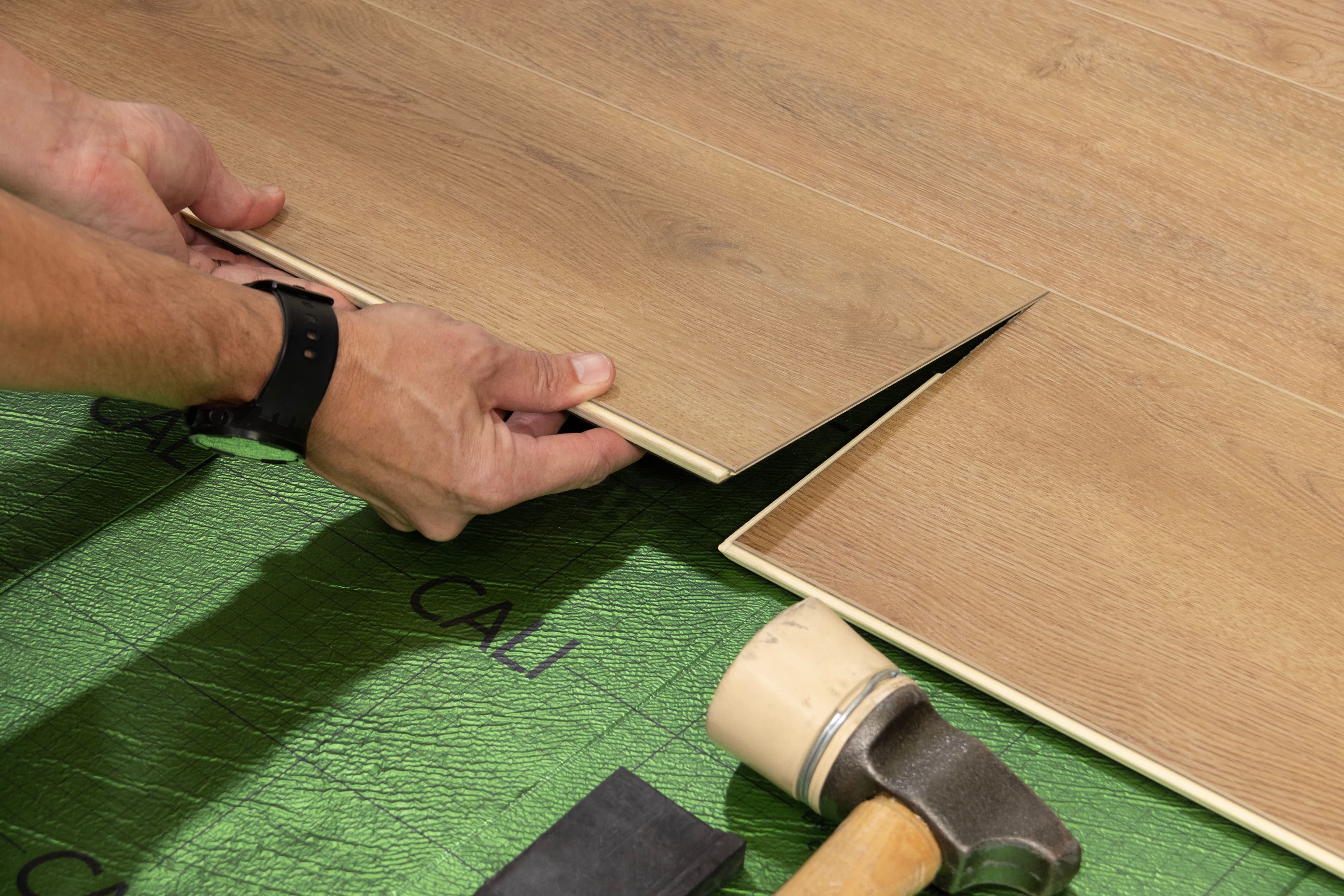
CALI vinyl and laminate floors use one of two click-lock systems:
Angle-Angle System – Planks connect by angling them together on both long and short sides Drop-Lock System – Planks drop and lock into place using a different technique
Check your installation guide to confirm which system your floor uses. Using the wrong installation technique causes gapping, misaligned planks, and poor seam engagement.
Tip 4: Pay Attention to Starting Position
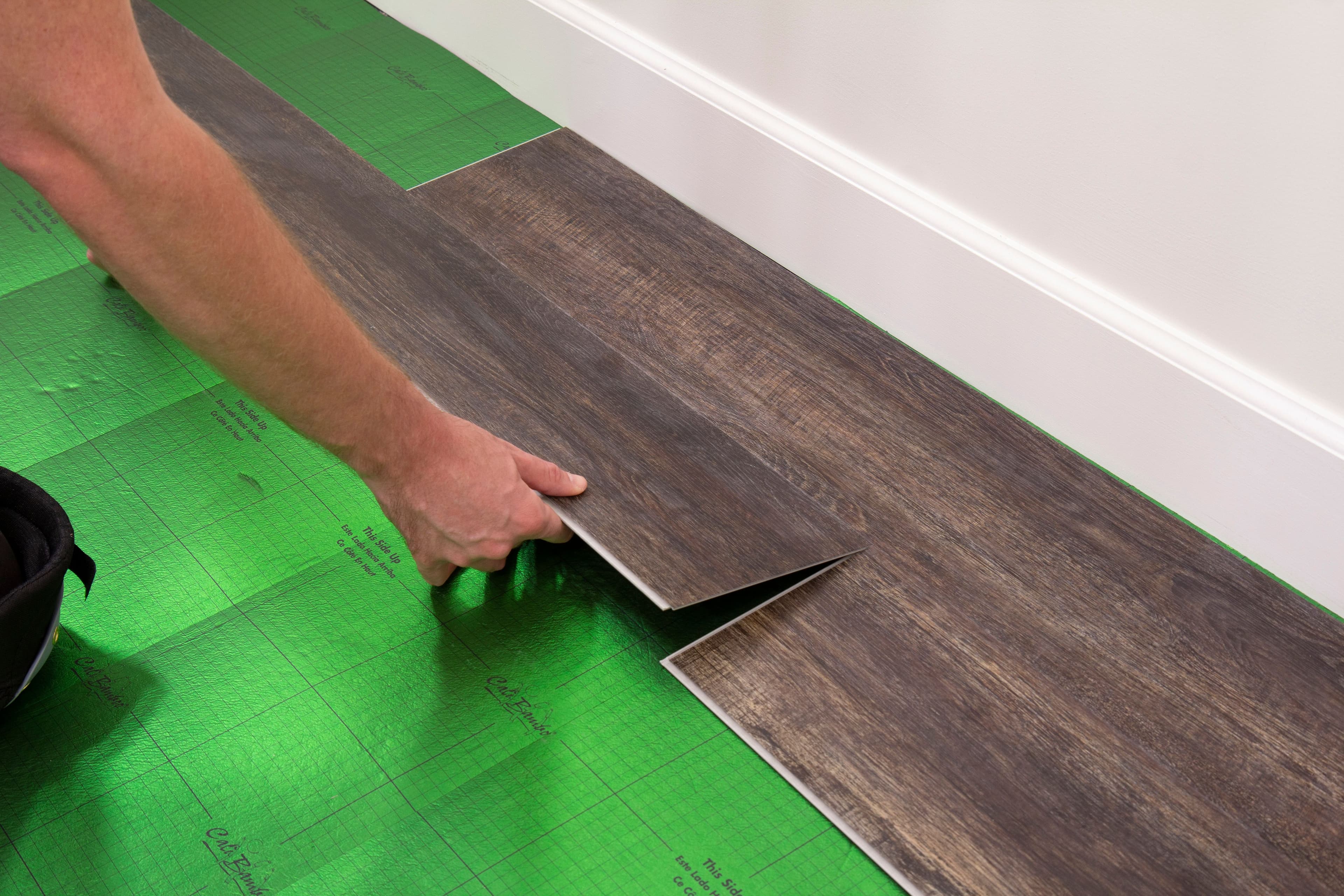
Some CALI collections install starting from the left side of the room; others start from the right side. This isn't arbitrary—it's based on how the planks lock together.
Your installation guide specifies the correct starting position. Double-check before you begin. Starting from the wrong side makes installation difficult and can result in improper seam engagement.
Tip 5: Install the First Two Rows Correctly
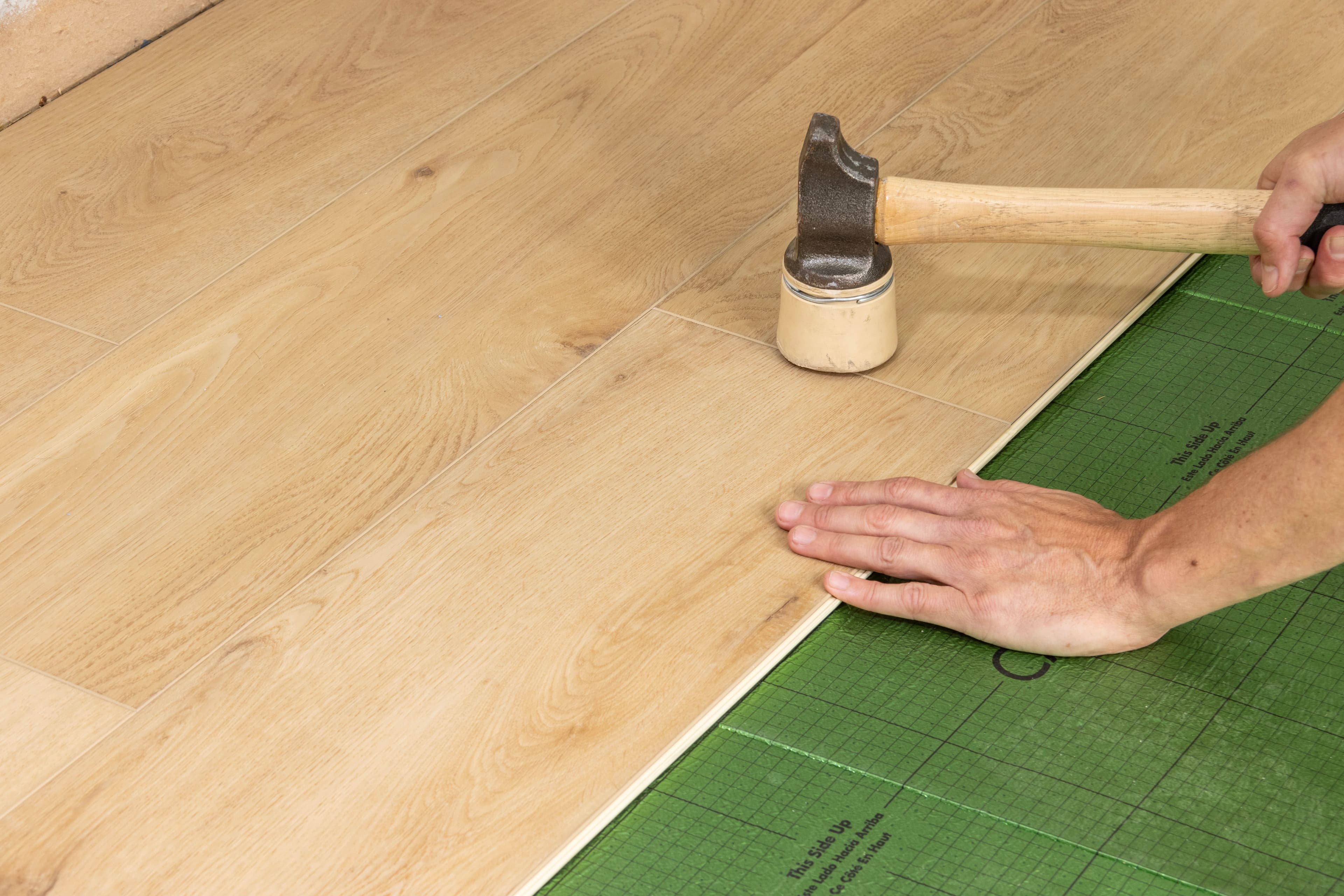
The first two rows are the foundation for your entire floor. Many collections require a specific staggered pattern for these initial rows to ensure proper plank engagement.
Take your time with the first two rows—they set the baseline for everything that follows. If they're misaligned, every subsequent row will be thrown off.
Once the first two rows are installed correctly, most collections install plank after plank without requiring row alternation.
Tip 6: Check for Snug, Straight Seams as You Go
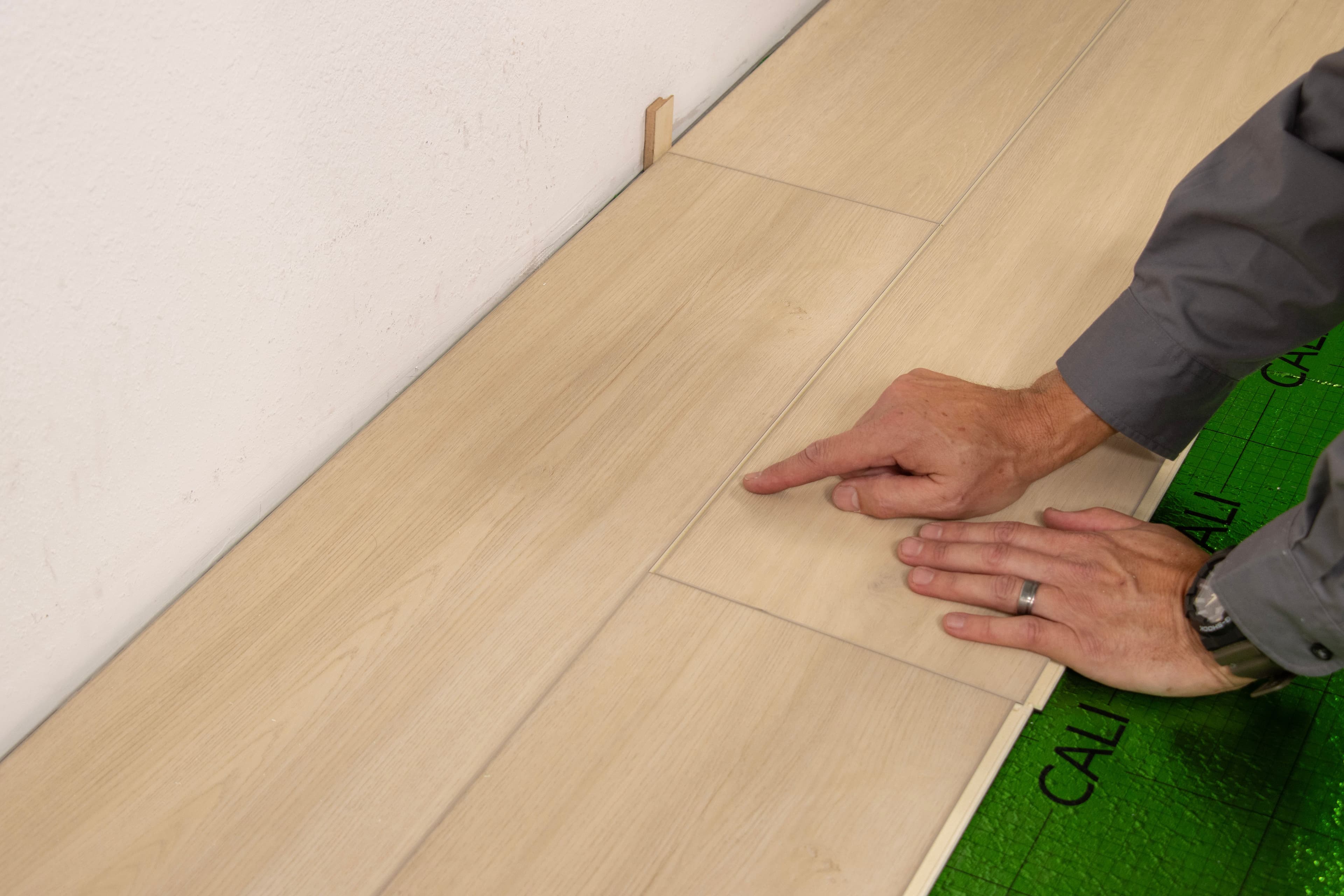
Every plank should fit tightly with no visible gaps or misalignment.
Before moving to the next plank or row:
- Inspect both long edges and short end seams
- Run your hand across seams—they should feel smooth and flush
- Look for any raised edges or gaps
If you notice a gap or misalignment, stop and reinstall that plank correctly. Even small issues compound as you continue. A plank that's slightly off in row two will throw off rows three, four, and beyond.
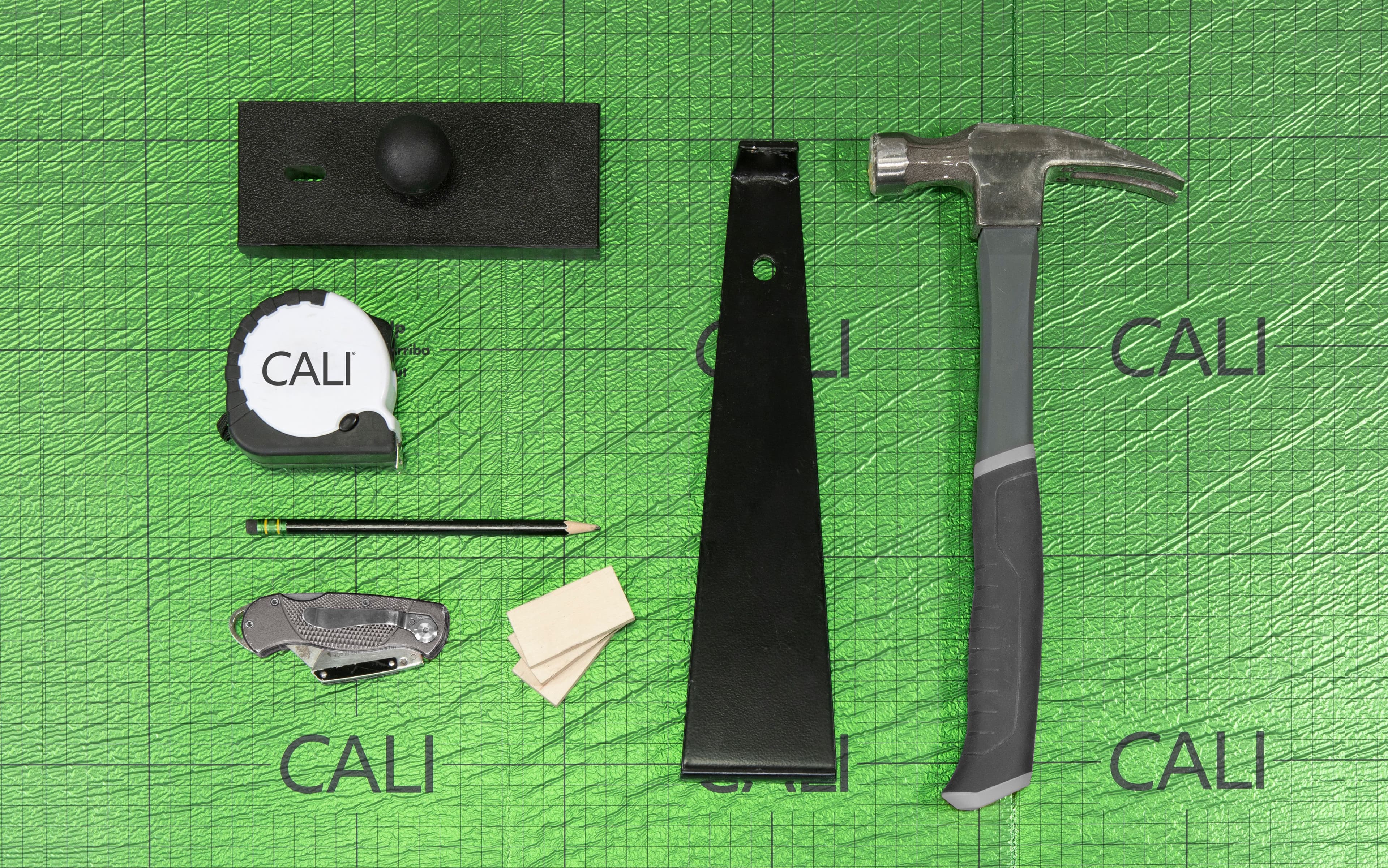
Use your tapping block and rubber mallet gently to ensure the seams lock together fully. Take a few extra seconds to check each plank—it prevents hours of potential rework.
How to Prevent Bamboo Floor Buckling
Bamboo flooring buckling is one of the most common complaints we see. Here's how to prevent it:
✓ Test subfloor moisture and use appropriate moisture barriers
✓ Acclimate bamboo planks for the time specified in your installation guide
✓ Maintain consistent temperature and humidity (typically 60-80°F, 35-65% RH)
✓ Ensure subfloor is completely flat (within 3/16" per 10 feet)
✓ Don't install over wet concrete (must be fully cured, at least 60 days)
Bamboo is a natural material that expands and contracts with moisture and temperature changes. Controlling the environment and following acclimation requirements prevents buckling issues.
Why Vinyl Planks Crack (And How to Stop It)
Vinyl plank cracking typically results from:
Uneven subfloors – High spots create stress points that lead to cracks
- Solution: Level subfloor to manufacturer specifications
Temperature extremes – Vinyl exposed to extreme cold or heat can become brittle
- Solution: Maintain environmental controls and acclimate planks if stored in extreme conditions
Improper installation technique – Forcing planks or using excessive force
- Solution: Follow installation guide; planks should click together easily
Heavy point loads on unsupported areas – Furniture legs on vinyl without proper support
- Solution: Use furniture pads and ensure subfloor is solid
Frequently Asked Questions
Q: What causes CALI bamboo floors to warp or buckle?
A: Bamboo floor warping is almost always caused by moisture-related installation issues—skipping moisture barriers, inadequate acclimation, installing over wet subfloors, or improper environmental controls. Following pre-installation steps prevents these problems.
Q: Do CALI floors require acclimation?
A: It depends on the collection. Some CALI collections (like Legends vinyl) require 24-hour acclimation. Others (like Select, Longboards, and Windansea vinyl) can install immediately right out of the box. Always check your specific installation guide.
Q: How do I prevent my vinyl flooring from cracking?
A: Ensure your subfloor is level (within 3/16" per 10 feet), maintain proper temperature during installation, use the correct installation technique for your click-lock system, and avoid forcing planks together.
Q: What's the most common flooring installation mistake?
A: Skipping pre-installation steps—especially subfloor preparation, moisture testing, and acclimation requirements. These steps seem time-consuming but prevent the majority of flooring failures.
Q: Are CALI floors good quality?
A: CALI floors undergo a rigorous 35-point inspection process, resulting in a sub-1% claim rate. When installed correctly following manufacturer guidelines, CALI floors perform as designed for decades. Most flooring complaints stem from installation errors, not product defects.
Q: Will improper installation void my warranty?
A: Yes. CALI warranties require installation according to manufacturer guidelines. Common warranty-voiding mistakes include skipping moisture barriers, improper acclimation, installing over unsuitable subfloors, and not following environmental control requirements.
We're Here to Help
We hope you never encounter an issue with your floor. But if you do have a problem or need installation support, our Customer Experience team is here for you.
Contact CALI Customer Experience:
- Phone: (888) 788-2254
- Email: [customer service email]
- Hours: [business hours]
When you reach out, have your order information and photos ready. This helps us assist you quickly.
Related Resources
- Complete CALI Installation Guides by Collection
- All CALI Warranties by Collection
- 6 Installation Mistakes That Void Your Warranty
- CALI Flooring Lawsuit: The Facts
Your floor is built to last. Let's make sure it's installed to last, too.