






What Are Floating Floors?
2023-12-15, Laura Nieto
Share:
Floating floors... seems pretty magical, right? As enchanting as they may sound, floating floors are actually a practical, innovative flooring solution that's a cost, energy, and time-saving fit for many modern homes. In this guide, we'll dive into everything you need to know about floating floors, from their benefits to installation tips with a special focus on the ease of installing luxury vinyl plank floors. Let's drift into our journey into the world of floating floors!
What Exactly Are Floating Floors?
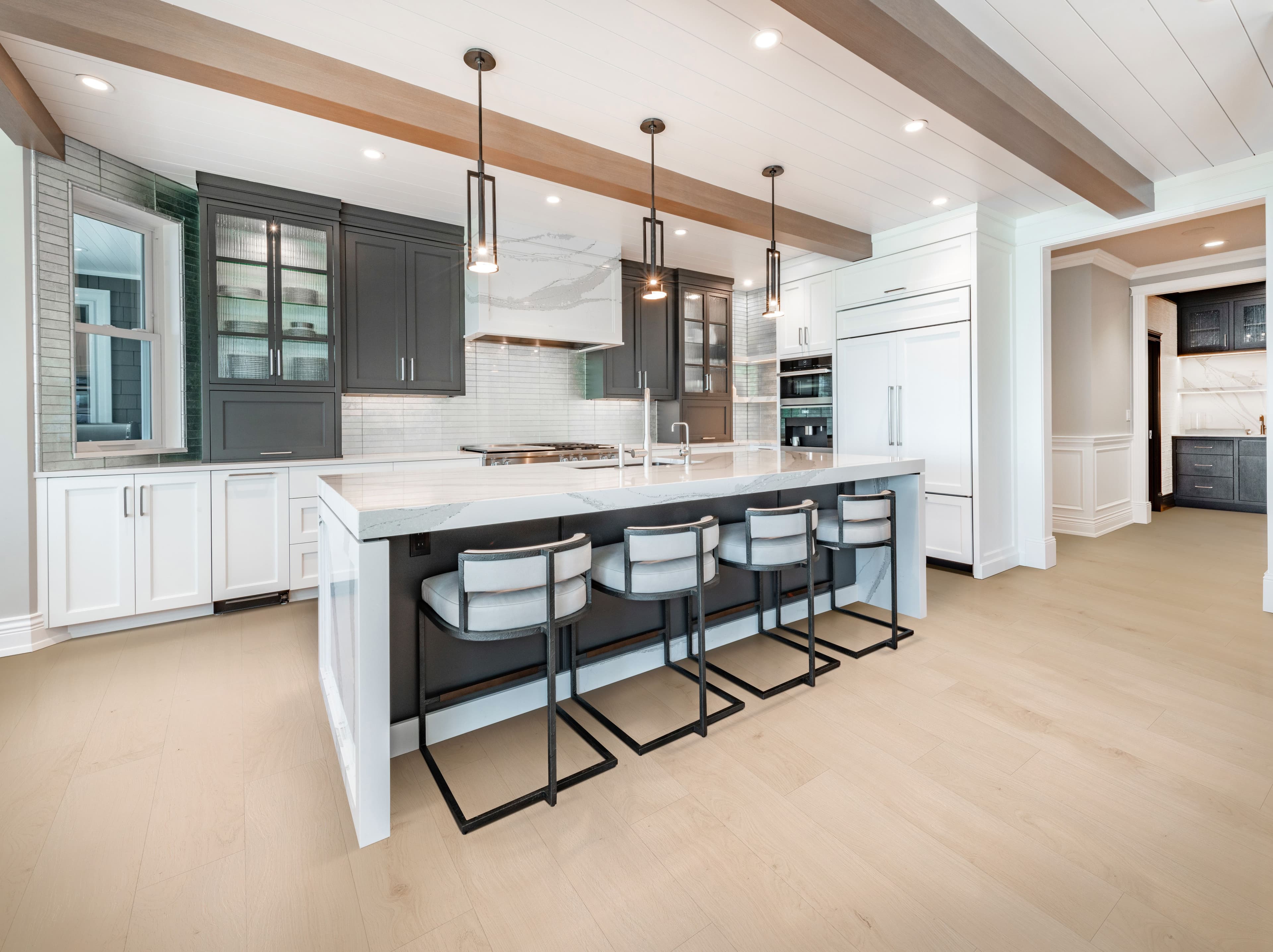
The term "floating floor" doesn't refer to a specific material but to an installation method. In a floating floor setup, individual flooring planks are connected to each other (either by glue or a click-lock system), but not directly attached to the subfloor beneath them. Imagine a wooden raft floating on water – that's how floating floors sit on your subfloor.
Why Choose Floating Floors?
DIY-Friendly: One of the biggest draws of floating floors is their easy, DIY-friendliness. With a bit of guidance (see all CALI guides here) and the right tools, many homeowners find they can install these floors themselves, especially when working with materials like luxury vinyl plank.
Versatility: Floating floors come in a variety of materials, including luxury laminate, luxury vinyl, and even some types of hardwood and bamboo. This variety means you can choose the perfect look for your home
Flexibility for Seasonal Changes: Unlike fixed floors (which are nailed or glued down to the subfloor), floating floors can more easily expand and contract with changes in humidity and temperature, making them ideal for climates with significant seasonal variation. This ability to move helps to prevent buckling and damage.
Easy Repair and Replacement: If a section of your floor gets damaged, it's much easier to replace a few planks of a floating floor than with traditional flooring that is nailed or glued down.
Installing Your Floating Floor
If you're considering a DIY flooring project, luxury vinyl plank or luxury laminate flooring is a great choice. These floors are not only stylish, waterproof, durable but also simpler to work with compared to other materials. Here's a quick, basic rundown of the installation process for a floating floor. Remember that more detailed installation guides for all CALI floors can be found here.
Prepare Your Subfloor: Ensure it's clean, dry, and level. Any large dips or bumps can affect the installation. Read more on how to prep your subfloor.
Measure Your Space: Accurate measurements are key to ensure you buy enough material (including a bit extra for mistakes or future repairs). Here’s a guide to help you calculate square footage.
Acclimate Your Flooring: Let your new flooring adjust to the room's temperature and humidity by leaving it in the room for a few days before installation. How long you let the planks acclimate depends on the type of floor you’re installing. In some cases, like with most CALI Vinyl collections, floors can be laid right out of the box with no acclimation required. Watch this video for an overview on flooring acclimation.
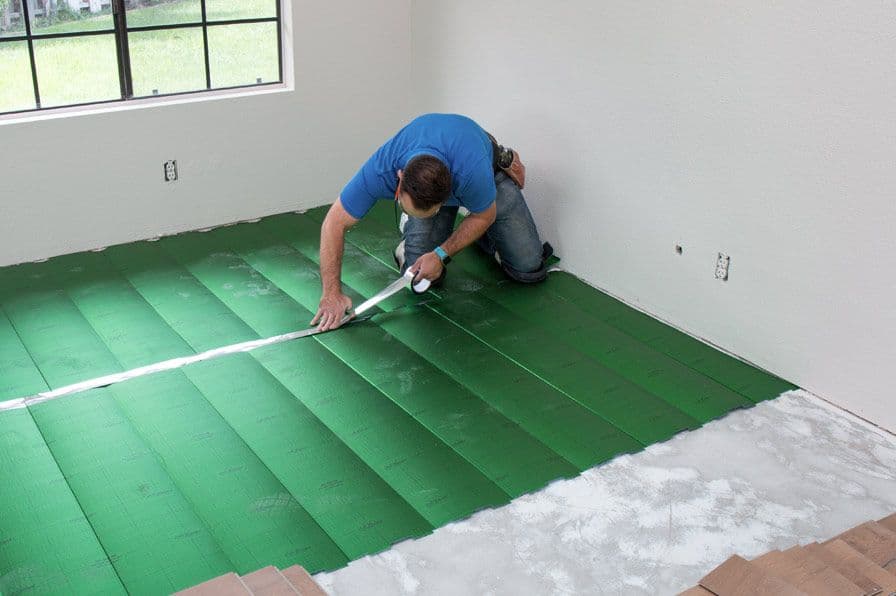
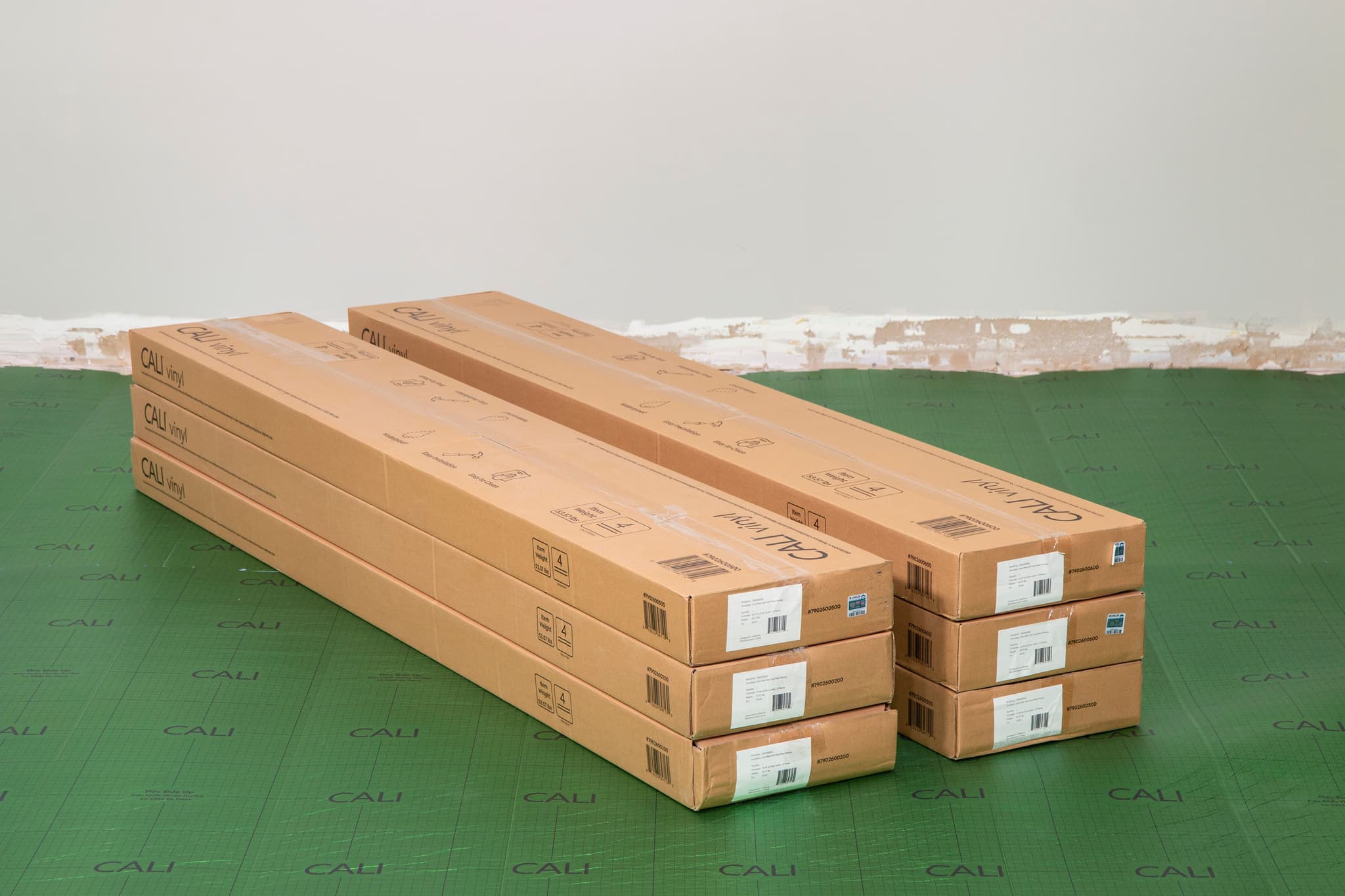
Lay Your Underlayment: This provides a smooth surface and can offer soundproofing and insulation. In most cases, CALI Complete is a great all-in-one underlayment option.
Start Installing: Begin from a corner and work your way across the room, carefully locking each plank into place. Be sure to refer to the installation guide for your specific floor.
Finishing Touches: Install baseboards or trim to cover the expansion gap around the edges of the room. Check out all CALI flooring accessories here.
More to Know About Floating Floors
While floating floors are a fantastic option for many, there are a few things to keep in mind:
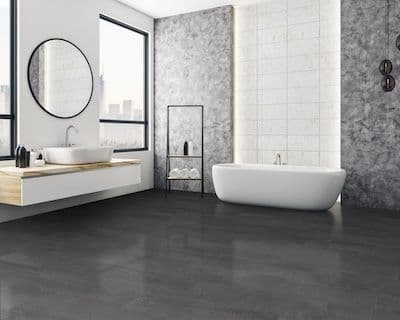
They’re Not Suitable for All Areas: A floating floor installation may not be ideal when putting hardwood in rooms with a significant amount of water, like full bathrooms. Find more bathroom flooring tips here.
The Subfloor Matters: A level and stable subfloor is crucial for a successful floating floor installation. Be sure to take all necessary installation steps, especially when it comes to prepping your subfloor.
Quality Varies: The quality of floating floors can vary significantly, so do your research and choose a reputable brand – like CALI!
Floating floors, particularly when using luxury vinyl plank, offer a blend of style, durability, and ease of installation that's hard to beat. Whether you're a seasoned DIY enthusiast or a first-time installer, floating floors can provide a satisfying project with stunning results. Remember to consider your space, needs, and the specific requirements of floating floor installation to ensure your new floor is everything you've dreamed of. Happy flooring!